The 15-Minute Daily Clean: A Chore Batching Template for Working Parents
How can I break down cleaning into 15-minute daily batches?
On this page
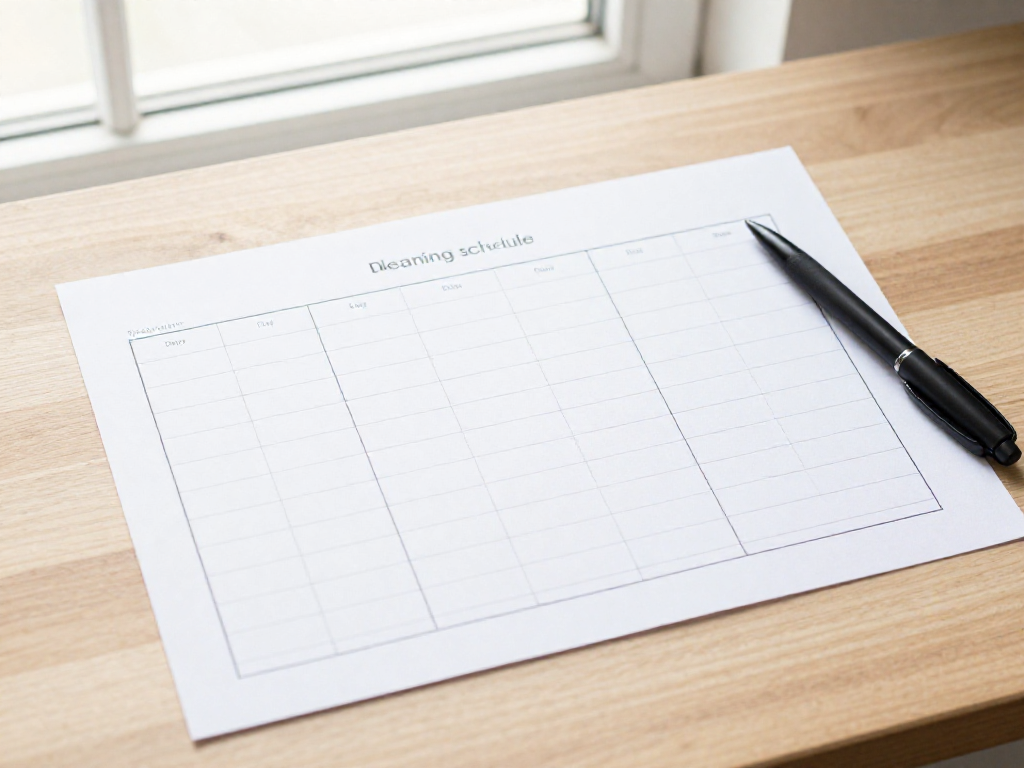
If keeping the house clean feels impossible after work and parenting, the problem isn't laziness—it's trying to do it all at once. This 15-minute daily batching template turns cleaning into bite-sized wins that fit real life.
Why 15-Minute Cleaning Works for Working Parents
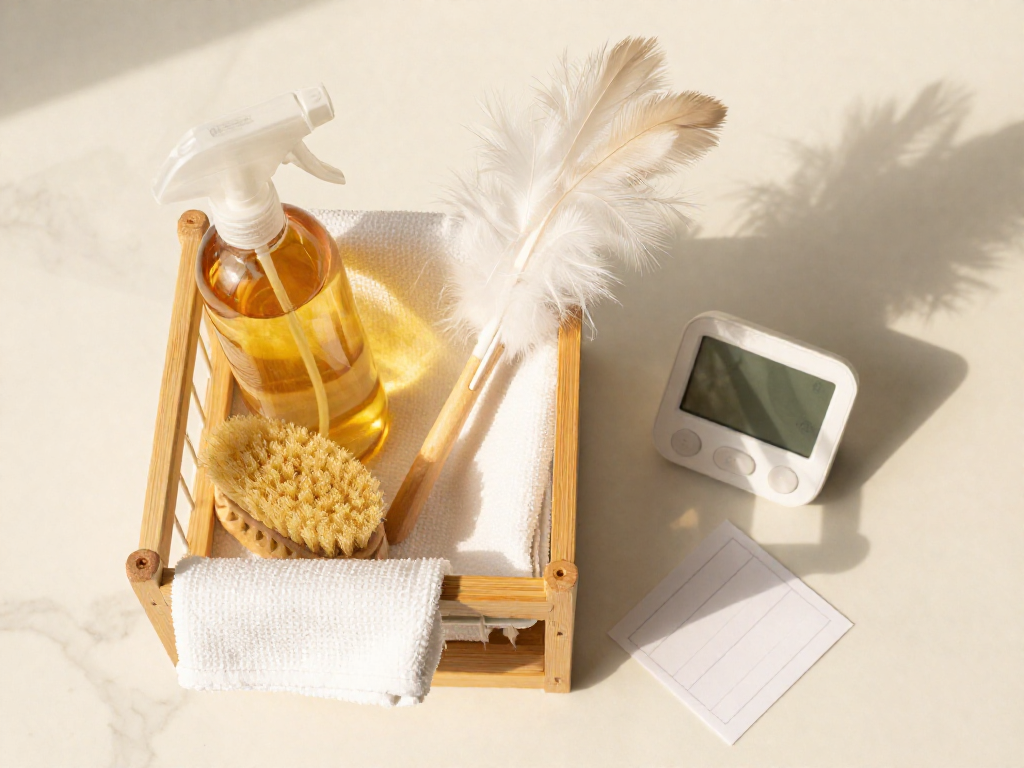
Turning cleaning into 15-minute daily batches works because it’s the only block of time you can actually protect. Instead of hunting for a mythical two-hour window, you commit to one focused sweep — Monday is bathrooms, Tuesday is floors, Wednesday is kitchens. This micro-habit builds momentum without the all-or-nothing pressure. The house stays surface-level clean all week, so Sunday afternoons aren’t spent clawing back from chaos. Over time, consistency out-cleans the marathon every time.
The Batching Mindset: Group Tasks, Don't Scatter
Batching flips the usual room-by-room cleaning on its head. Instead of tidying the kitchen, then the bathroom, then the living room, you grab one tool and hit every room in sequence: dust all surfaces, then vacuum all floors, then wipe all mirrors. You're not bouncing between unrelated tasks; you're in a dusting groove until the whole house is done.
That groove matters. Every time you switch gears — from spraying counters to scrubbing a toilet — your brain pays a tiny tax. Multiply that by a dozen tiny transitions, and you've got a recipe for mental drain. Batching slashes those switches, so you spend less energy deciding what's next and more energy actually moving.
Working parents often say the real payoff is the feeling of completion. Scrubbing one bathroom to perfection while the rest of the house stays chaotic just doesn't register as a win. But seeing every floor vacuumed, or every surface dust-free, signals a clear, satisfying finish. It's the difference between scattered effort and a category conquered.
The 15-Minute Daily Clean Weekly Template
This is the cheat sheet you’ll actually tape to the fridge. Each day targets a single cleaning motion spread across multiple rooms — that’s what makes 15 minutes feel like a deep clean instead of a frantic scramble.
Monday: All Floors — Grab your vacuum or dust mop and hit high-traffic lanes only. Living room rug, kitchen floor, entryway. Skip the bedrooms and hall today. You’re just clearing the grit that collects where feet land most, so it takes about two songs on the speaker.
Tuesday: Surfaces & Dusting — A damp microfiber cloth over kitchen counters, bathroom vanities, and any flat surface that collects mail or crumbs. Then a quick pass with a dry cloth on the living room shelves and TV stand. Grouping all “horizontal wipe-downs” into one sprint keeps you in the same rhythm.
Wednesday: Bathroom Blitz — This is the day you’ll swear you didn’t actually clean. Toilet brush swirl, mirror spray, sink wipe, and a fast shower surround mist — two or three minutes per fixture. Do all bathrooms back-to-back so supplies stay in hand. No scrubbing, no grout, no fuss.
Thursday: Kitchen Reset — Attack the grimy stuff that builds up but doesn’t need daily attention. Microwave interior (a wet paper towel run for 60 seconds loosens gunk), appliance fronts, stovetop, and then finish by buffing the sink to a shine. It’s the quickest way to make the kitchen feel rebooted mid-week.
Friday: Clutter Sprint — Everyone in the house plays. Each family member races to return ten items to their proper homes: mail into the recycling bin, toys into bins, bags onto hooks, shoes into the rack. Set a timer — it gamifies the chaos and keeps the weekend from starting in a messy house.
Saturday: Laundry Batch — One load from hamper to folded-and-put-away. While it runs, do a 15-minute linen refresh: swap out bathroom towels, toss a clean tablecloth on, and maybe grab a fresh set of sheets for one bed. You’re not doing all the laundry; you’re just moving it one step forward.
Sunday: Restock & Prep — No actual cleaning. Refill toilet paper in bathrooms, check soap dispensers, set out next day’s clothes or lunch bags, and maybe wipe down the weekly planner. It’s a quiet reset that makes Monday feel doable before it even starts.
By grouping tasks by motion, you eliminate the mental switching cost of going room-by-room. You stay in a flow, and the whole house gradually stays clean without a single marathon session.
How to Actually Stick to 15 Minutes (and Not Overdo It)
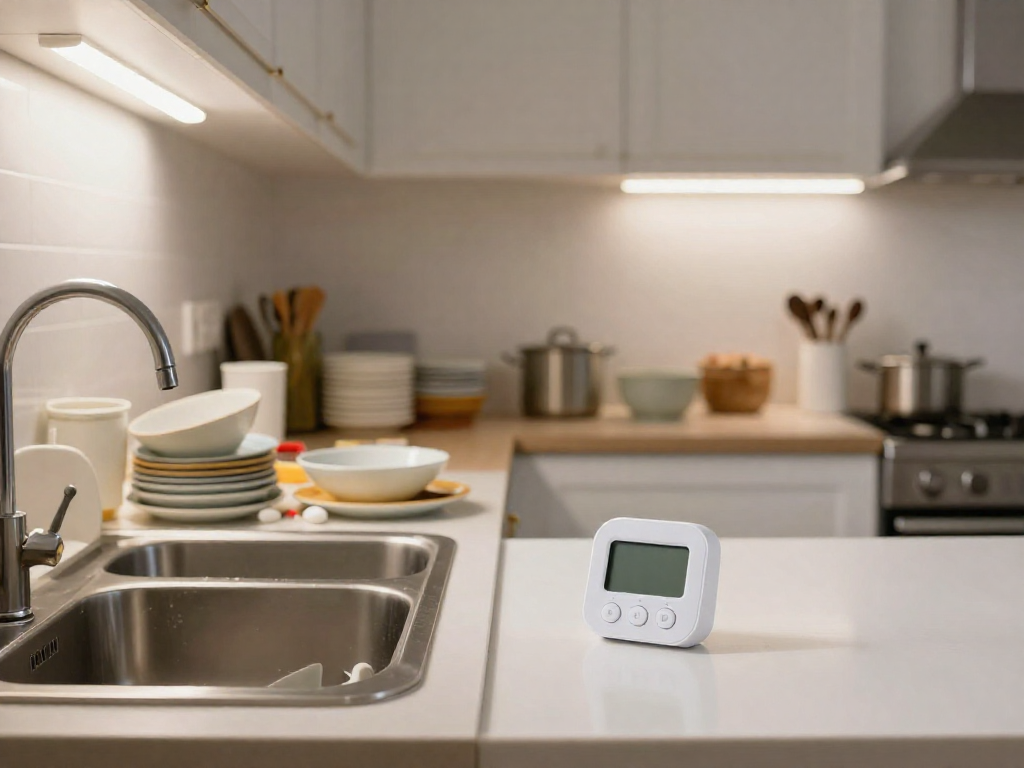
Make the timer your boss — and your liberator. Set a loud, visible countdown (a kitchen timer, your phone on the counter) the second you start. The rule is absolute: when it rings, you stop. Even if the dustpan is half full. Especially if the dustpan is half full. That's the game: beat the clock, not the mess.
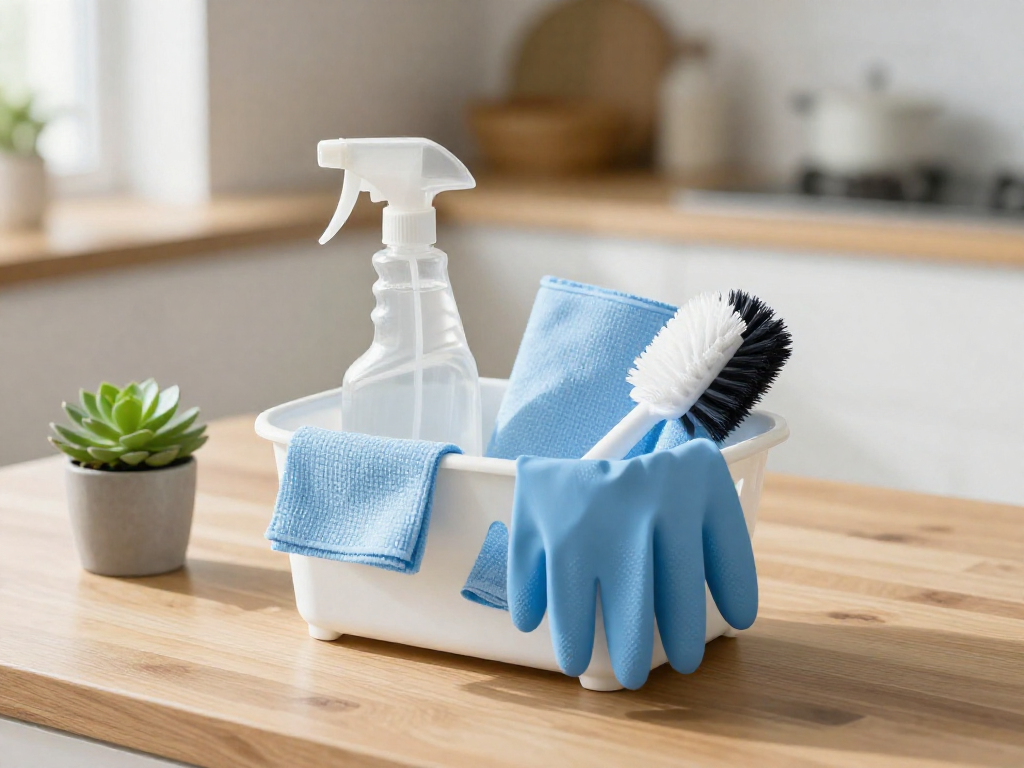
Before you even touch the timer, pre-kit a morning-grab basket. Stash a microfiber cloth, all-purpose spray, a duster, and whatever else your daily template calls for. No hunting under sinks. No deciding what to do. Grab, go, timer on.
The system's biggest enemy is scope creep — the "while I'm here" urge to wipe baseboards or reorganize the junk drawer. Resist. Fifteen minutes is a trade: you get a visibly cleaner home, not a deep-clean, every day. If a big job doesn't fit (sweeping all floors, for instance), split it. Do the main rooms Monday, the bedrooms Wednesday. Two fifteen-minute wins are better than one abandoned forty-five-minute guilt trip.
Stopping takes practice, but it's the only way the daily clean becomes automatic. Good enough is the win.
What a Realistic 15-Minute Session Looks Like (Room by Room)
The 15-minute daily clean isn't about deep-cleaning; it's about the few high-impact spots that most affect how a room feels. In the kitchen, that means five minutes on counters and appliances—wipe down the stovetop, clear crumbs. Five minutes to sweep the floor, and the last five to take out the trash and recycling. That final tiny task prevents tomorrow's overflow.
In the living room, budget seven minutes for a quick clutter sweep: toys back in the bin, mail stacked, remotes corralled. Spend five minutes dusting the surfaces everyone sees, then three to fluff cushions and fold the throw blanket. It's a small reset with a surprisingly big payoff.
Bathrooms stay manageable when you're ruthless about the big three: four minutes for the toilet (bowl brush, seat wipe), four for the sink and mirror (clear toothpaste splatter, wipe the counter), and four to spray and squeegee the shower. The remaining three minutes? A damp cloth over the floor. Hitting those spots means you walk out feeling ahead—not stuck chasing perfection.
Adapting the Template for Crazy Weeks
Crazy weeks don’t mean the template breaks—it flexes. When sickness, deadlines, or travel strike, narrow your whole week to three non-negotiable tasks (say, laundry, kitchen surfaces, and a bathroom wipe-down). Swap days without guilt; the rhythm matters more than the exact window. On truly slammed days, a seven-minute micro-clean—trash out, counters cleared, floor quick-swept—keeps momentum alive and prevents the weekend overwhelm.
Common Mistakes That Sabotage Your 15-Minute Clean
Perfectionism is the quickest way to quit: if you re-clean a surface that is already 'good enough,' you steal time from the rest of the house. Always set your timer and lay out your cleaning caddy before starting — those first two minutes of gathering supplies shrink your sprint to nothing. And don't schedule the toughest, most physically draining tasks on your worst days; pushing through when you're exhausted only breeds resentment and guilt.
Next Step: Batching Deep Cleaning into Weekend Sprints
Once the daily 15-minute sweep is automatic, layer in 30-minute weekend sprints for bigger tasks—windows, baseboards, the fridge. Our Weekend Deep Clean Sprint Guide shows how to batch them into quick, no-excuse sessions.
FAQ
What if I can't finish all the listed tasks in 15 minutes?
Prioritize the tasks that make the biggest visible impact in your space. Set a timer and stop when it rings—unfinished items get tackled during the next session.
How do I involve kids in the 15-minute daily clean?
Give each child one or two simple, age-appropriate tasks with clear boundaries (e.g., “put all the toys in this bin” or “wipe the table with this cloth”). Turn it into a game or race against a song to keep them engaged, and praise effort over perfection.
Can I combine days if I miss one?
Yes, but only merge adjacent days and focus on the most critical tasks from each. Skip lower-priority items to avoid overwhelm and keep momentum.
What cleaning tasks are best suited for a 15-minute sprint?
Tasks that are contained, repetitive, and don’t require drying time—like wiping counters, decluttering surfaces, sweeping high-traffic floors, or straightening sofa cushions. Avoid anything that needs a ladder or moving heavy furniture.
How do I handle deep cleaning tasks that need more time?
Break deep cleaning into micro-tasks you can slot into your 15-minute blocks across multiple days. For example, clean just the shower one day, the toilet the next, and the bathroom mirror a third day.
See also
- Weekend Deep Clean Sprint System
- Decluttering Batching for Busy Families
- 10-Minute Evening Reset Routine
Related articles
Batching Deep Cleaning: A Monthly Map for Working Families
How do I batch deep cleaning tasks into one weekend per month?
Jul 31, 2026 · 9 min read
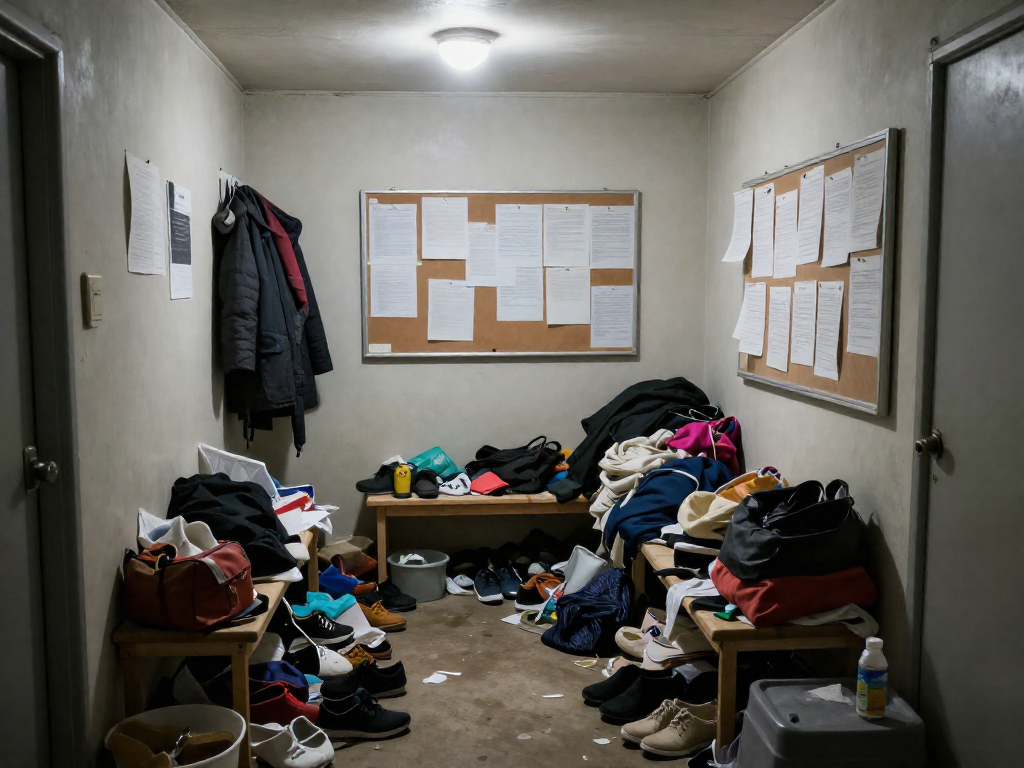
The 'One Touch' Rule: A Minimalist Approach to Daily Tidying
How can the 'one touch' decluttering rule streamline my family's tidying?
Jul 31, 2026 · 4 min read
Speed Cleaning Secrets: A Listicle of Hacks for Busy Families
What are the most effective quick-cleaning tricks for a family home?
Jul 31, 2026 · 4 min read