The 'One Touch' Rule: A Minimalist Approach to Daily Tidying
How can the 'one touch' decluttering rule streamline my family's tidying?
On this page
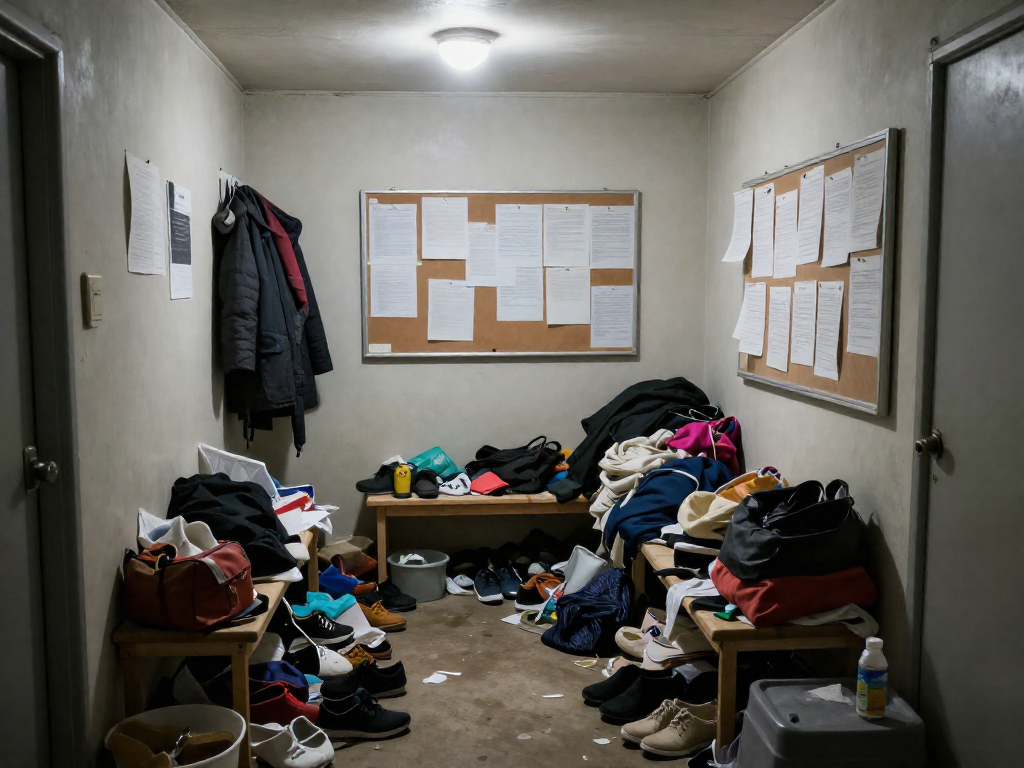
Opening with a chaotic scene of backpacks, mail, and shoes piling up after a busy workday, then introducing the one-touch rule as the simple shift that can stop the mess in its tracks.
What Exactly Is the 'One-Touch' Rule?
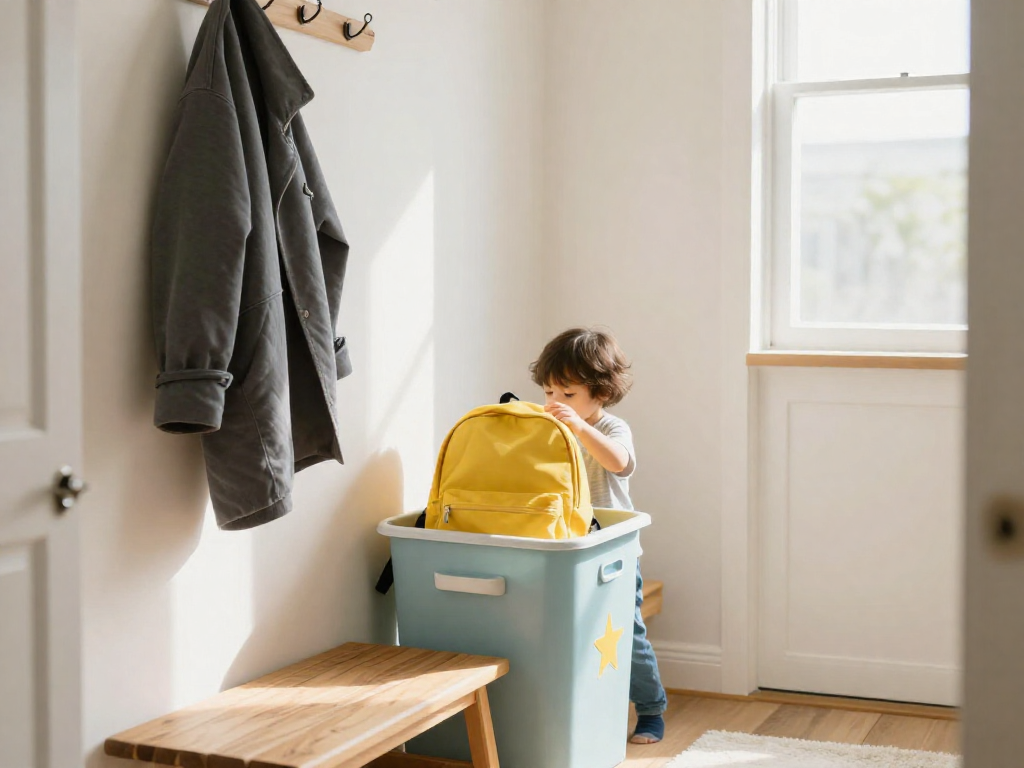
The 'one-touch' rule means handling any item only once—put it away immediately rather than setting it down to deal with later. That single habit stops the daily pile-up that turns a busy household into a clutter magnet. For example, the mail comes in: junk goes straight to recycling, bills land in the action folder, and the rest never hits the counter. It’s not about perfection; it’s about breaking the cycle of "I’ll deal with it later" that turns five loose items into fifty by Friday.
Why the One-Touch Rule Works for Overwhelmed Families
The magic of the One-Touch Rule isn't just in a tidier surface — it's in the mental bandwidth it frees up. For dual-income families, that's everything. Every visible undone task — the junk mail on the counter, the shoes in the hallway — acts like a tiny open tab in your brain, quietly draining focus. Handling an item once, right away, closes that tab instantly. Over days, you stop bracing for the weekend tidying marathon because the mess never accumulates in the first place.
Clutter literally raises stress. Research on home environments shows that messy spaces correlate with higher cortisol levels, particularly in women. When you train yourself and your family to touch things once — hang the coat, file the permission slip, drop the keys in the bowl — you're lowering the ambient anxiety of your home. Take the entryway, the family's stress hot spot. Before: backpacks slump against the wall, shoes multiply, and two adults and two kids step right over them. With One Touch, each person knows their launchpad slot. The second a backpack is off, it hangs on its hook. Shoes slide into the cubby. In thirty seconds, the floor is clear. That small win signals control, not chaos.
This rule also teaches kids something deeper than obedience: systems thinking. They learn that an action left incomplete ricochets into someone else's burden later. A water bottle put away now means no frantic search in the morning. Over time, they absorb the muscle memory of responsibility. The payoff? A calmer home, fewer misplaced items, and whole weekends reclaimed from the drudgery of resetting the house. That's not just tidying — that's a quieter, more connected family life.
The Secret Foundation: A Designated Home for Everything
Here’s the unglamorous truth: the one-touch rule collapses the moment an item has no home. You grab it, decide to keep it, but then wander room to room, setting it down again and again. That’s not one touch—that’s delay.
Every object needs a single, obvious address based on where you actually use it. For busy families, bins are your best friend—open-top bins in the entryway swallow shoes and backpacks instantly. Add picture labels for kids too young to read; a simple photo of blocks on the bin means cleanup becomes a matching game. Don’t overhaul the house at once. Start with one high-traffic zone like the entryway. Once that sticks, the rest follows.
How to Get Your Whole Family on Board (Without Nagging)
Start by modeling the rule yourself—for a full week, let your family see you handling every object just once before it lands in its home. Kids notice what you do far more than what you say. Once you’re consistent, frame it as a quick challenge: “Can you beat the clock before the microwave beeps?” A little friendly competition turns tidying into a game, not a chore. Introduce a simple family phrase: “Don’t put it down, put it away.” Say it lightly, not like a broken record. Focus on one shared hotspot first—the entryway bench or the kitchen island—and celebrate when it stays clear for a few days. Make it easy by placing kid-height hooks, bins, and baskets exactly where things pile up. Finally, anchor the habit to existing rhythms: one-touch after school backpacks hit the floor, or right after meals when plates migrate. When the system feels effortless, everyone sticks with it.
Common Hurdles and How to Handle Them Gracefully
Even the tidiest system hits snags. If clutter has no designated home yet, pause the one-touch rule and declutter first—you're aiming for order, not a high-speed shuffle. Perfectionism trips many: if you can’t put something all the way away, just move it one step closer to its home.
Family resistance? Keep it low-key. A playful reminder on the laundry basket or a five-minute tidying race works better than nagging. And when you slip (you will), reset without guilt. The rule is a habit scaffold, not a rigid law.
See also
- The Sunday Reset: How to Batch Your Chores for a Smoother Week
- 5-Minute Family Tidy: The After-Dinner Routine That Works
- Creating a Family Command Center to Keep Everyone Organized
- Declutter Once, Tidy Less: The Morning Basket System
Related articles
Batching Deep Cleaning: A Monthly Map for Working Families
How do I batch deep cleaning tasks into one weekend per month?
Jul 31, 2026 · 9 min read
Speed Cleaning Secrets: A Listicle of Hacks for Busy Families
What are the most effective quick-cleaning tricks for a family home?
Jul 31, 2026 · 4 min read
Troubleshooting Your Chore Batching: When No One Sticks to the Plan
Chore batching system not working? Uncover common pitfalls like over-ambition and accountability gaps, plus proven fixes to finally get your family on track.
Jul 31, 2026 · 8 min read