Meal Planning as Part of Your Reset: A 5-Step Method
How can I integrate meal planning seamlessly into my weekly reset?
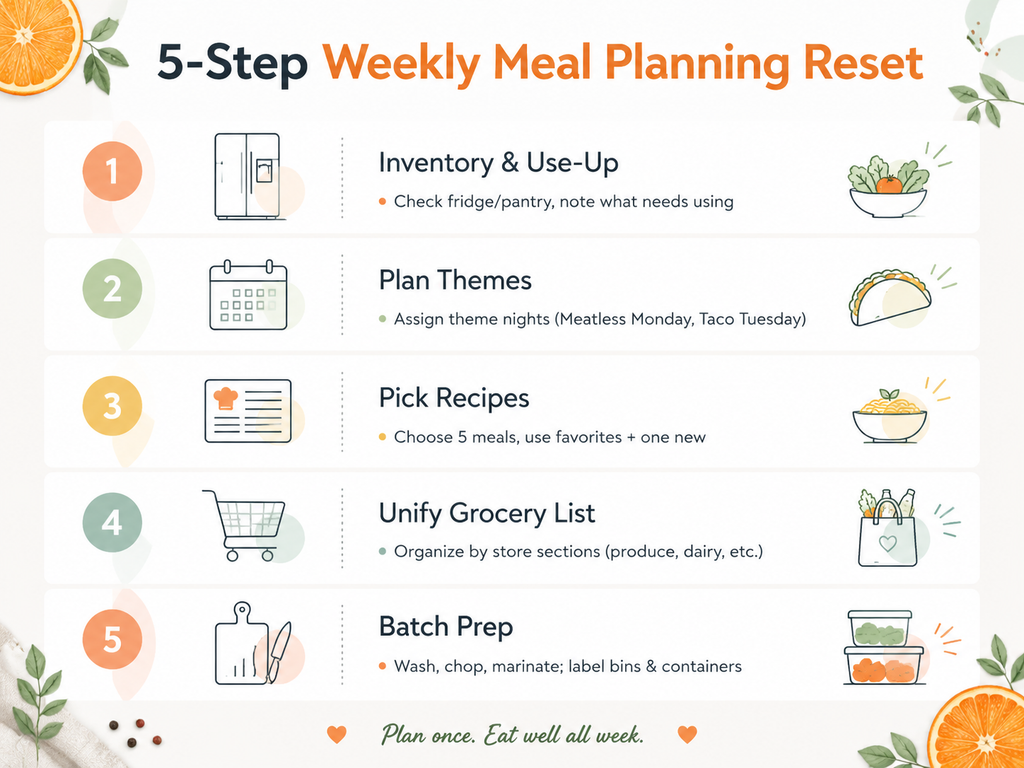
On this page
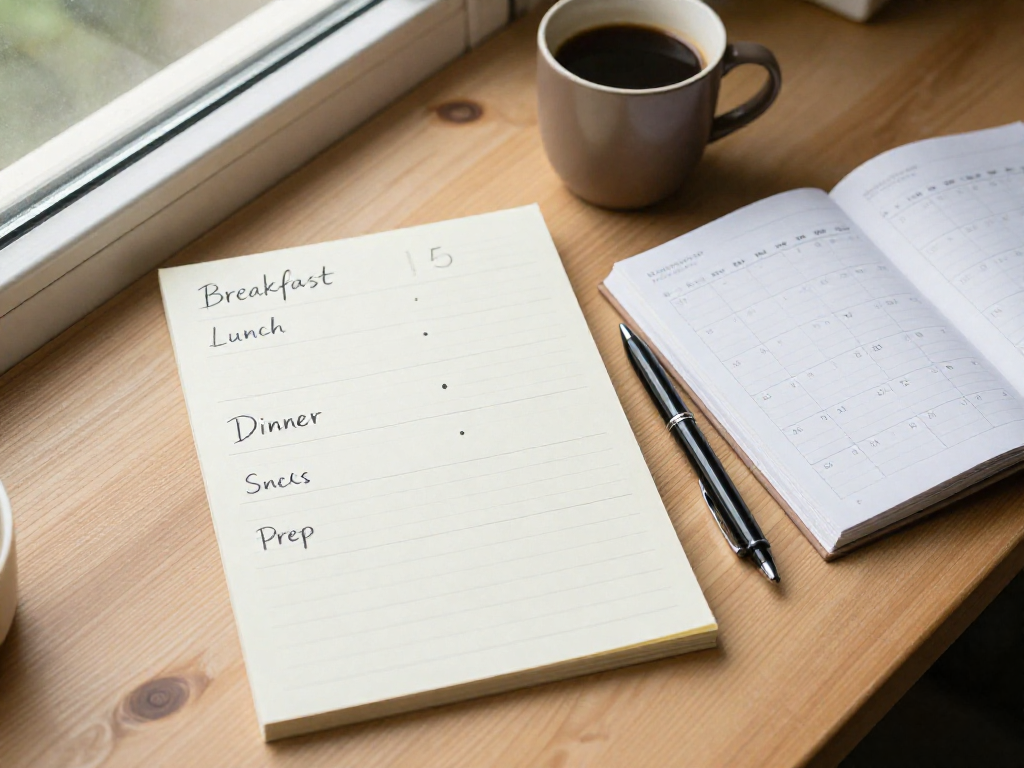
Most meal planning advice treats it as a standalone task. But for busy families, it only sticks when woven into the weekly reset. Here's the 5-step method that pairs inventory checks, theme nights, and a 5-slot plan to make Sunday a launchpad, not a chore.
Why Meal Planning Only Sticks When It's Part of Your Reset
The answer is simple but counterintuitive: you don't need a better meal-planning app or more willpower. You need to anchor it to your weekly reset—that block of time when you’re already tidying, restocking, and setting up the week. Otherwise, meal planning becomes just another item on your mental to-do list, and that’s exactly where it falls apart.
Here’s the cycle every busy household knows: Sunday comes, you pull out a notebook or open an app, and optimistically map out dinners for the week. Monday night, the recipe takes three times longer than expected. By Wednesday, a forgotten meeting blows up the plan. You order pizza, feel guilty, and next week you either don’t plan at all or start over with the same ambitions. The plan itself isn’t the issue—it’s that planning was never a reliable habit in the first place.
A reset changes that. When meal planning rides on the same automatic momentum as gathering laundry or checking supplies, it stops being a standalone project and becomes a reflex. You’re already in “prep the week” mode; adding ten minutes to jot down meals and scribble a grocery list feels like part of the flow, not an extra chore. That consistency kills the cycle of guilt.
Our five-step method embeds meal planning right into that reset. You’ll walk through a quick fridge scan, a dead-simple template, and a list built to survive the chaos of a real week. It’s not about elaborate menus. It’s about making the habit so automatic that feeding your family stops being a daily question mark.
Step 1: The 10-Minute Fridge & Pantry Sweep
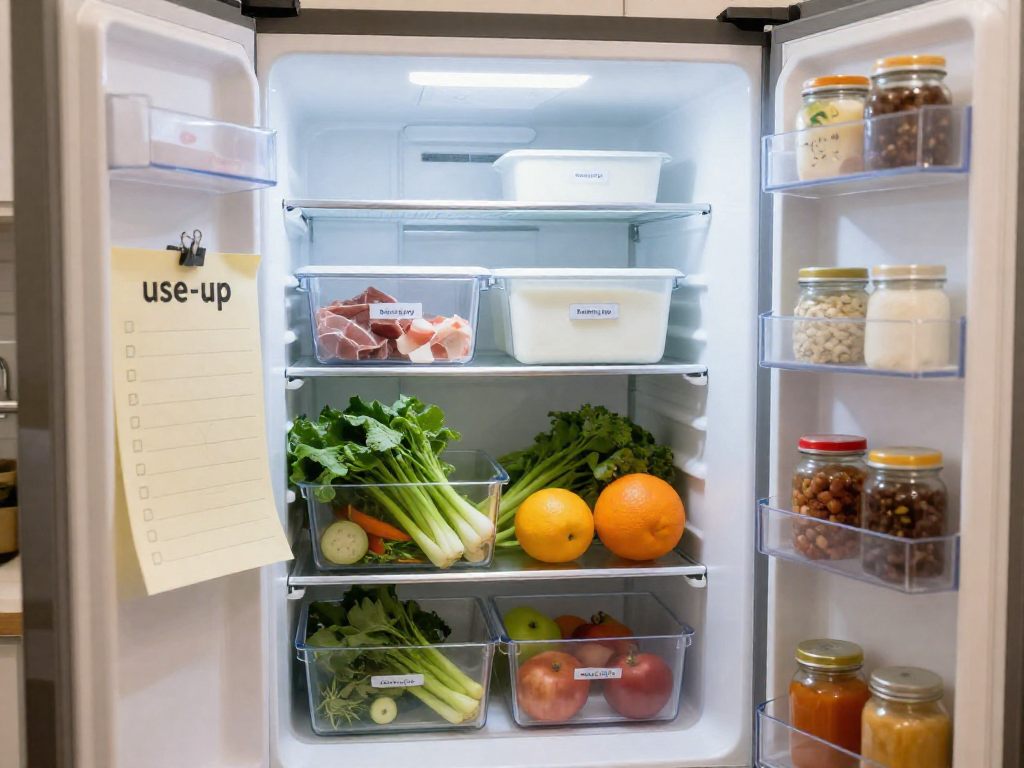
Meal planning that actually works week after week starts with one non-negotiable move: knowing exactly what you already have. Skip the guesswork. Pull out your phone’s notes app or grab a scrap of paper, set a timer for ten minutes, and do a quick but complete scan of every food zone in your kitchen. This isn’t a deep clean or a re-organization—it’s a fast inventory, and it will save you from buying duplicates, letting food die in the back of the fridge, and building a plan around ingredients you don’t own.
Start with the fridge. Open every drawer and slide containers aside. Jot down leftovers with a rough idea of how many servings remain, then move to fresh vegetables and proteins. Note the one-off items: a half-used jar of pesto, that wedge of parmesan, the open bottle of barbecue sauce. Condiments often hide potential—write them down because they can anchor a meal (think quick stir-fry sauce or salad dressing). If you see anything questionable, either toss it now or circle it on your list as “use today.” Next, check the freezer. List meats, bread, frozen vegetables, and any mystery packages. Freezer items are your backup squad; acknowledging them keeps you from defrosting chicken when there’s already chili ready to go.
Then hit the pantry. Scan grains, pasta, canned goods, sauces, and staple items like oils, vinegars, and broths. This isn’t the time to reorganize alphabetically—just spot what’s abundant and what’s dwindling. You’re looking for half-empty boxes of couscous, that can of coconut milk you bought for a recipe you never made, the three jars of marinara stacked behind the cereal. These become the spine of your plan.
As you move, create two short lists. The first is your “expiring soon” hit list: items that need to be used in the next day or two. The second is a “use-up” list that lives on the front of the fridge—a sticky note or a small whiteboard—with three to five ingredients you commit to cooking before they go bad. This is not a suggestion; it’s your week’s top priority. Making it visible at a glance turns intention into action every time you open the door.
A few tricks to keep the sweep fast and effective: check every shelf, including door cubbies and the deli drawer. Don’t guess—if you can’t see it, move things. Consolidate partials: combine two half-opened bags of shredded cheese or pasta so you see the real quantity. And be honest about what’s beyond saving. A moldy cucumber or freezer-burned bag of spinach isn’t a resource; it’s just noise. Get it out.
When the timer dings, stop. You now have a real-time snapshot of your kitchen, not a fantasy. This inventory is the raw material for every other step that follows—it tells you what you can build meals around, what you need to supplement, and what you can ignore. A fridge and pantry sweep isn’t glamorous, but it’s the quiet system that makes the rest of your weekly reset click.
Step 2: Set Your Week's Theme Nights (30 Seconds)
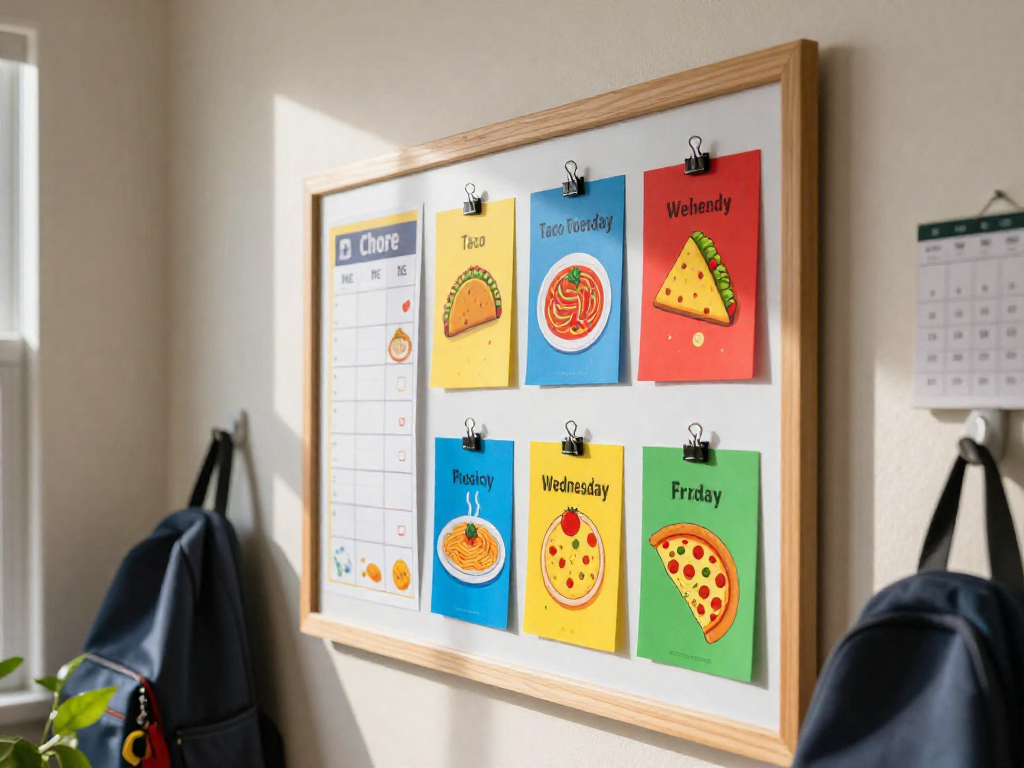
Theme nights are your meal-planning cheat code. Assign a broad category to each weekday—Meatless Monday, Taco Tuesday, Pasta Wednesday, Slow Cooker Thursday, Pizza Friday—and you’ve just eliminated the daily “what’s for dinner?” debate. On weeks with a late meeting, slide slow-cooker night to that day. Override whenever you want; the goal is a frictionless default, not a rigid rule.
Step 3: Fill Out the 5-Slot Meal Plan in 15 Minutes
Seven dinners a week is a trap. By the time you get to Saturday, the best-laid plans have already been derailed by a late meeting, a tired kid, or the simple desire to not cook. That’s why this method uses only five slots—Monday through Friday. The other two nights belong to leftovers, takeout, or whatever spontaneity your week throws at you. They’re not failures; they’re built into the system. Once you stop planning for those nights, the whole week feels lighter.
You already have your theme nights mapped out from Step 2, so now you’re just dropping specific recipes into the slots. Match the meal to the day’s energy, not just the theme. If Monday is your busiest, that’s not the night for a new recipe with three sub-components—stick a dead-simple staple there, like sheet-pan sausage and peppers or a one-pot pasta. Save the new recipe you’re excited about for a night when you have an extra 15 minutes of chopping patience. The sheet itself is just a simple grid: days of the week across the top, then rows for the main dish, any planned sides, and a quick note on where the recipe lives. A half-sheet of paper, a whiteboard on the fridge, or a shared note on your phone—it doesn’t matter as long as it’s visible.
Where do the actual recipe ideas come from? A rotation, not a brainstorm. Keep a running list of 15–20 meals your household will reliably eat without complaint. These are your staples—the workhorses. Each week, pull four of them into the plan and add exactly one new recipe. That ratio keeps variety alive without burning anyone out. Maybe this week you slot your black bean tacos on Tuesday, roast chicken on Wednesday, and that new turmeric coconut soup you saw on Thursday. If a new recipe flops, you’re only out one night, and leftover night picks up the slack. The rotation list also kills decision fatigue: when you sit down to plan, you’re choosing from a curated set, not the infinite internet.
Before you write anything in ink, do a 60-second inventory spot-check. Glance at the fridge and pantry with your plan in mind. If you’re putting chicken on the menu, open the freezer and count the thighs. Those wilting green beans need to be eaten tonight, so they become the side for whatever you’re cooking. The point isn’t a full inventory—that’s the Week 1 sweep—it’s avoiding the discovery of three half-used blocks of cream cheese after you’ve already bought more. Catching just one duplicate or overlooked ingredient saves more time than the check itself.
Lunch and breakfast don’t need full planning, but 30 seconds of thought here prevents 7 a.m. chaos. Pick one or two lunch templates you can prep in batches—grain bowls, jar salads, or a double batch of the previous night’s dinner are bulletproof. For breakfast, decide if this is an oatmeal week, an egg-muffin week, or just a “grab a yogurt” week. Add those two words to the corner of your meal plan sheet. No recipe card needed.
Sides deserve the same rapid-fire treatment. They’re rarely the star, but they’re where you use up odds and ends. For each dinner, jot down one vegetable or starch that needs eating. Roasted broccoli off the stalk that’s been lingering, a quick cucumber salad if the crisper is overfull, rice from the giant bag in the pantry. Treat sides as a scavenger hunt: what’s in here that will be tragic by Saturday? That becomes tonight’s side. If nothing is urgent, frozen peas or a bagged salad will do.
The entire process, once you’ve practiced it twice, genuinely takes under 15 minutes. You’re not creating from scratch—you’re assembling from trusted building blocks, guided by the rhythm of your week. The five-slot sheet becomes a contract with your future self: you’ll cook these meals, and in return, you get two nights completely off. That’s a trade worth making.
Step 4: Generate One Unified List (Not 3 Separate Ones)
Once your five meals are set, pull out your phone or a single sheet of paper. Instead of juggling a grocery list, a “also buy” sticky note, and a mental tally of household basics, you’re making one master list. Start with the ingredients each recipe needs—nothing more. Next, cross-check against the inventory notes you took during the fridge sweep. A half-full bottle of soy sauce? Skip it. Almost out of olive oil? Add it. Then layer in the non-food items from your reset checklist: dish soap, toilet paper, wipes. Finally, rearrange the list to match the route you walk through your store—produce, then center aisles, then dairy and frozen. You’ll shave minutes off the trip and never realize halfway through that you skipped the cereal aisle for the fifth time. One list, one trip, your whole week covered.
Step 5: The Sunday Reset Prep Sprint — 30 Minutes to Front-Load Your Week
The last step ties your meal plan directly into the hands-on work of your weekly reset. You’ve already decided what’s for dinner; now you give your future self a thirty-minute head start by moving a few high-impact prep tasks from Tuesday at 5:45 p.m. to Sunday afternoon. The goal isn’t to pre-cook everything—just the pieces that create the most friction on a weeknight.
Start with the vegetables you need for Monday and Tuesday. Chop onions, dice peppers, shred cabbage—whatever shows up in those first two meals. If a protein benefits from sitting in a marinade, get it into a zip-top bag while you’re at it. While the knife and cutting board are out, cook one grain or legume base that will serve multiple meals: quinoa, brown rice, or a pot of black beans you can spoon into tacos, bowls, or salads later. The last five minutes are for assembling dry goods for the earliest meal that involves pantry pulls—measure oatmeal and toppings for a breakfast-for-dinner night, or set pasta and canned tomatoes in a basket together so no one has to hunt. Fold this sprint into the other reset rhythms: while the grain simmers, throw in a load of laundry or wipe down the bathroom mirror. That overlap makes the whole hour feel less like kitchen duty and more like a system firing on all cylinders.
The 3 Reset Mindset Shifts That Stop Meal Planning Failures
Most meal planning failures aren’t about willpower. They’re about holding onto three rigid mindsets that collapse under a busy week. Let go of these, and meal planning stops feeling like a chore you dread.
The first shift: stop trying to plan seven perfect dinners. That’s a fantasy that crumbles the minute a meeting runs late or a kid spikes a fever. Plan five nights and leave two slots open for leftovers, pantry hacks, or takeout. A five-day framework gives you traction without the guilt, so one undone night doesn’t unravel the whole week.
Second, move your planning session from Monday morning to your Sunday reset. By Monday, the week has already started yelling at you. Anchoring it to your existing Sunday power hour—right after you sort laundry and check the family calendar—turns it into a rhythm, not a reaction. You’ll shop, chop, and front-load before Monday even arrives.
Finally, swap complicated recipes for repeatable templates. Theme nights like “sheet-pan Monday” or “taco Tuesday” eliminate decision fatigue. When you know the format, you only vary the protein or vegetable. This isn’t boring; it’s the backbone that keeps you consistent. Simplicity scales—complexity kills the habit.
FAQ
How long does the full weekly reset take including meal planning?
The full reset, including meal planning, typically takes under an hour once you build the habit, but the first few times may run a bit longer as you learn the flow. Stick to the five-step sequence—clear the fridge, scan the calendar, pick themes, write the list, and order—to keep it moving.
What if I don't like leftovers?
Shift your mindset from "leftovers" to "planned-overs"—intentional components you remix into new meals. For example, roast a whole chicken for Sunday dinner, then use the leftover meat in tacos and a quick soup later in the week, so nothing feels like a repeat.
How do I handle picky eaters with theme nights?
Theme nights actually help because the predictable structure reduces negotiations. On Taco Tuesday, everyone gets a base of plain ingredients and you set out toppings bar-style, letting picky eaters choose only what they want—cheese, nothing, or a safe protein.
Can I meal plan if I use grocery delivery?
Absolutely—in fact, delivery pairs perfectly with the method because you can finalize your list and order right after planning. Many services let you save recurring orders, so you can set up a template list for each theme night and tweak only a few items weekly.
How do I adapt the method for a week with evening activities?
On heavy activity weeks, pivot to "no-cook assembly" nights or double-batch on your prep day. Swap your usual cooked theme for a charcuterie-style dinner or a big salad bar, and make extra of Monday's meal to reheat on Wednesday, so activity nights have zero cooking time.
See also
- Sunday Reset Routine for Busy Families
- Batch Cooking Basics
- Decluttering in the Weekly Reset
Related articles

Weekly Reset for the Unmotivated: A Lazy Person's Guide
How can I create a reset routine that requires minimal effort and willpower?
Jul 31, 2026 · 6 min read

The Friday Night Cleanup: Starting the Weekend with a Clear Slate
Should I do a reset on Friday night instead of Sunday? Discover how a 30-minute family tidy on Friday can reclaim your weekend.
Jul 31, 2026 · 6 min read

Digital Reset: How to Batch Your Family's Weekly Admin
How do I organize and batch digital tasks (bills, emails, school forms) into a weekly routine?
Jul 31, 2026 · 5 min read