Why Sunday Resets Fail (And How to Make Them Stick)
What are the most common reasons Sunday resets don't work for families, and how can I overcome them?
On this page
If your Sunday reset leaves you more frazzled than refreshed, you're not alone. Most families approach the weekly reset with an all-or-nothing mindset that sets them up for failure. Here's how to troubleshoot the common pitfalls and build a reset routine that actually sticks.
Why the 3-Hour Sunday Reset Is a Setup for Failure

The biggest reason Sunday resets crash and burn isn't laziness—it's the 3‑hour marathon you've been told is the gold standard. Cramming meal prep, laundry, planning, and a deep clean into one afternoon turns what should be a gentle weekly rhythm into a second shift you dread. And when you inevitably fall short, the guilt makes next week's attempt feel even heavier.
The mental weight kicks in long before Sunday. By Saturday night, that looming checklist—"defrost chicken, scrub the bathrooms, sort school papers, prep 17 snacks"—is already stealing your weekend peace. You're asking the same block of time to be both your family's restorative pause and its most productive domestic sprint. No wonder you hit 4 p.m. with half the tasks unfinished and a sour mood.
This all‑or‑nothing framing is where reset culture does real damage. If you can't dedicate a pristine three‑hour block (and with kids' sports, random fevers, or a partner's work emergency, who can?), you might abandon it entirely. The reset becomes a pass‑fail test you never pass. The better approach: stop treating Sunday as a singular event and start seeing the whole weekend as a smeared‑out rhythm. Fifteen minutes on Saturday morning to blitz the kitchen. A load of laundry thrown in during Friday's Netflix wind‑down. Setting out backpacks Thursday evening as part of the bedtime routine. These micro‑pushes add up faster than a single frantic Sunday, and they don't torch your rest day.
If you want the system to stick, shrink the Sunday scope to one quiet anchor: maybe you batch a single core ingredient (a pot of grains, a pile of roasted vegetables) while the kids do puzzles, or you synch the family calendar over coffee. Everything else drifts into those smaller pockets across the week. The mental shift is from "reset or fail" to "always nudging things forward." That's how you get consistency without burnout.
Getting the Whole Family on Board (Without Nagging)
A Sunday reset falls apart the moment one person becomes the reluctant project manager. Shared ownership is the real fix. Instead of assigning chores like a foreman, build a short, predictable reset block that everyone expects and can execute from a visible checklist. When the work belongs to the family, not just the parent who cares the most, Sundays shift from dread to rhythm.
Match tasks to ability, not age alone. A preschooler can match socks or wipe baseboards with a damp cloth; an elementary-schooler can vacuum or put away folded laundry; a teen can sanitize bathrooms or handle the grocery list. The key is consistency — the same handful of jobs each week, posted where kids can see them, so no one needs to be reminded.
Ritual over chore. Crank a dedicated reset playlist, light a candle, and set a clear finish line (a movie, a board game, ice cream). This turns the reset into a weekly family event instead of a punishment. When the pressure is off and the mood is up, kids — and partners — stop dragging their feet.
A working template: one adult preps breakfasts and lunches, the other handles bathrooms and floors. Kids rotate between toy pickup, school bag restock, and helping wipe surfaces. In a household of four, this often finishes under an hour, leaving the rest of the day genuinely free. The secret isn’t efficiency — it’s that nobody quits because nobody was nagged.
Your Energy Calendar: Why Sunday Might Be the Worst Day
Sunday evening is the emotional and physical low point of the week. After a weekend packed with sports, errands, and social obligations, everyone’s tank is empty. The mental load of the coming Monday weighs heavy. Trying to stage a full-house reset in that state is like asking a marathoner to sprint the last mile — it just doesn’t happen. Instead of battling your biology, align the reset with your household’s actual energy rhythm.
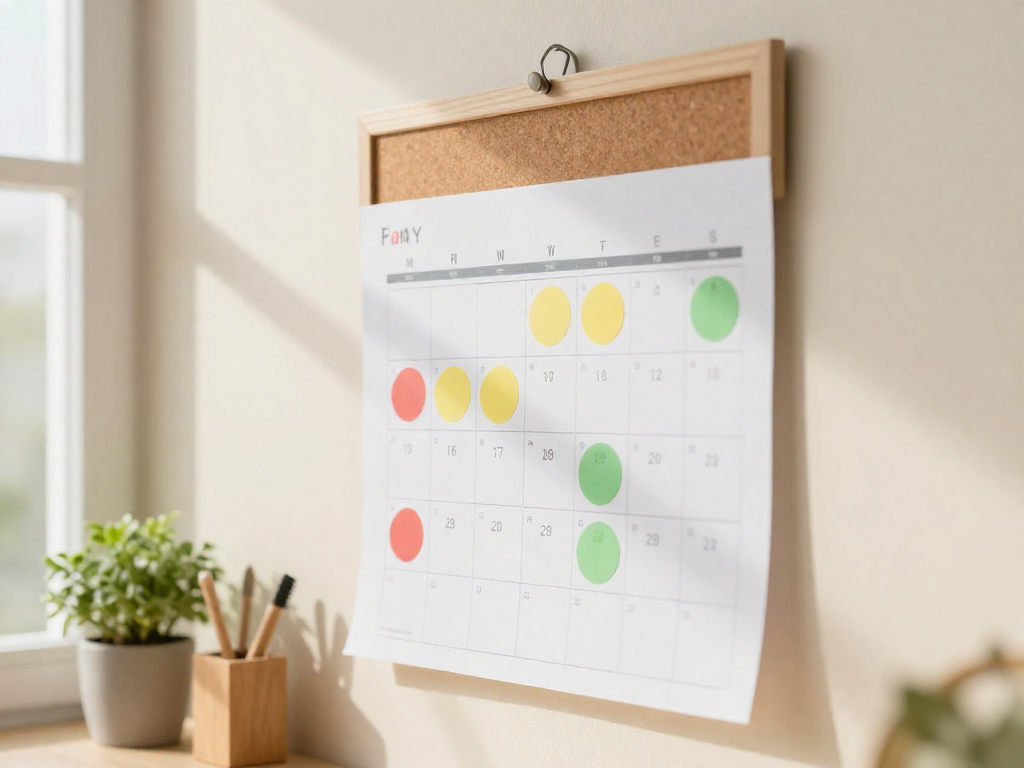
Start by tracking your family’s energy for one full week. No apps or spreadsheets needed — just a shared note on the fridge or a voice memo. Each day, have each person note one peak energy window and one crash point. Patterns emerge fast. For most dual-income families, Friday evening hits a sweet spot: the workweek is done, the weekend feels spacious, and kids are often in a celebratory mood. A 30-minute blitz then feels almost fun, not like punishment. Saturday morning is another contender — clear-headed, caffeine-fueled, and free of the Sunday scaries.
But the highest-leverage shift is hiding in plain sight: the post-dinner micro-reset. Right after the dishes are cleared, everyone is already up and moving. That natural transition is a built-in trigger. Use it for a single, focused task: everyone resets one room, folds one basket of laundry, or preps backpacks and lunches. It takes under 20 minutes, yet it prevents the Sunday pile-up and trains the family to see resets as part of the closing-down rhythm of the day, not an epochal event.
Pick the slot where your energy consistently peaks — not where you think it should. When the reset feels easy and inevitable, it finally sticks.
Letting Go of the Pinterest-Perfect Reset
The fixation on a spotless, magazine-worthy reset is what kills consistency. A "good enough" reset that gets the basics done—laundry sorted, a few meals prepped, the week's schedule checked—buys you far more peace than a gleaming counter you’re too exhausted to maintain. Social media shows someone else’s highlight reel; your actual week runs on function, not aesthetics.
The 15-Minute Reset That Actually Works (and Sticks)
A true reset isn't a block of hours you dread—it's a series of micro-actions sprinkled through the week so nothing piles up. When you trade the three-hour Sunday marathon for a daily 15-minute habit, you get the same outcome with zero burnout. Start by picking one pocket of time you already own: the 15 minutes right after dinner clean-up, the pocket before you brush your teeth, or even the gap while coffee brews. Use that window to tackle exactly one reset task—no list, no decision fatigue. Monday might be a fridge scan and snack restock; Tuesday, a five-minute bathroom wipe-down; Wednesday, a quick calendar review for the rest of the week. By Saturday morning, the house feels managed without a single “reset day” on the calendar.
Sunday evening still matters, but you’re only doing three things—and they’re non-negotiable. First, backpacks and work bags: unpack, repack, and park them by the door. Second, tomorrow’s lunches and water bottles go into the fridge as grab-and-go units. Third, a five-minute family calendar check for the week ahead—just spotting conflicts, not deep-planning. That’s it. If you finish in ten minutes, walk away. Don’t “just also” anything. This tight scope stops the creep that turns a tidy-up into a full-blown cleaning session, and because it’s only three things, even a tired brain can execute.
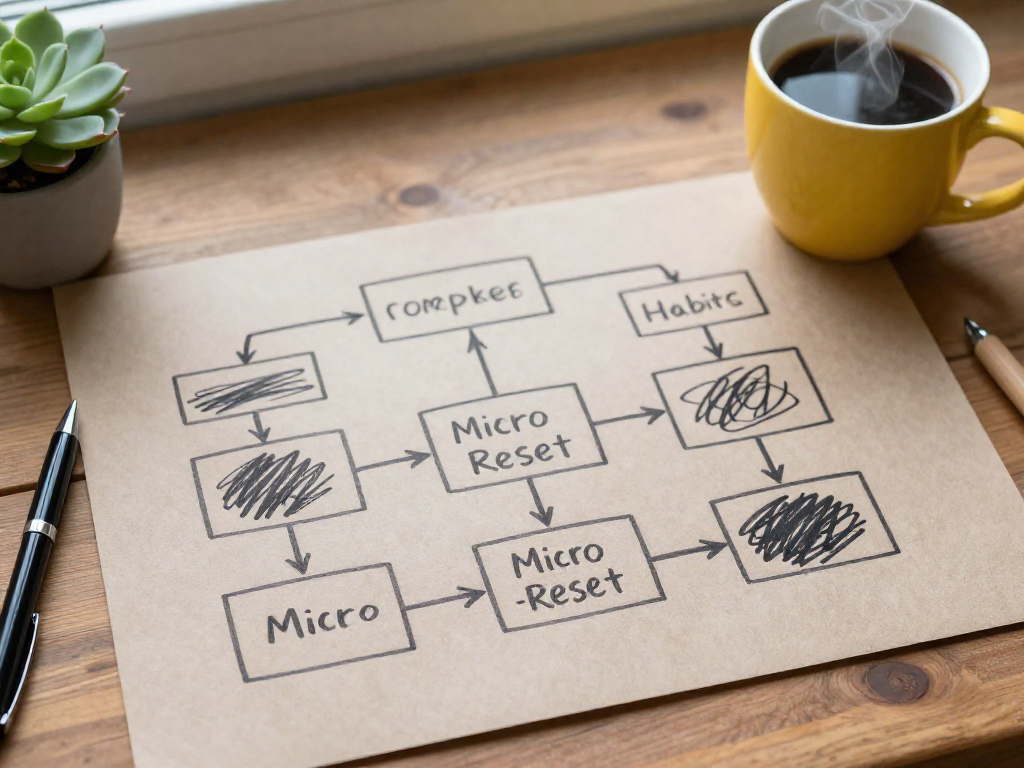
The real glue is layering resets onto existing habits so they become automatic. If you already set the coffee maker at night, stack on: wipe the kitchen counters while it begins its cycle. If you always put kids to bed at 8 p.m., make 8:05 p.m. the automatic trigger for a living-room quick sweep. Tie a three-minute bathroom refresh to when you brush your teeth in the morning. These tiny anchors remove decision-making entirely—the action simply tags along with a habit that’s already ingrained. After a few weeks, the sequence runs on autopilot, and the house resets itself in the margins of your day.
The goal isn’t a perfect, sterile home every evening. It’s forward motion so Sunday doesn’t arrive like a tidal wave of chores. You’ll still do a few things on the weekend, but they’ll be choices—baking muffins, prepping a fancy sheet pan meal—not frantic catch-up. When the reset lives in 15-minute slices instead of a single block, it bends around your real life, not the other way around.
FAQ
How long should a family Sunday reset take?
A Sunday reset shouldn't be an all-day grind—keep it to a predictable, time-boxed session that fits your family's natural rhythm. Focus on a few high-impact tasks, like meal prep for the week, a quick tidy, and laying out essentials, so it feels like a launchpad rather than a chore marathon. The goal is consistency, not perfection, so if you consistently finish in a reasonable window, you've found your sweet spot.
What are some quick Sunday reset tasks for busy moms?
Anchor your reset with three quick wins: restock the diaper bag/purse, set out a week of outfits for each kid, and batch-chop veggies or hard-boil eggs for grab-and-go snacks. These tasks remove daily friction and take under 15 minutes each when done assembly-line style. Build them into a written checklist so you don't have to think—just execute.
Is it okay to do a reset on a different day?
Yes, moving your reset to a day that aligns with your family's schedule is not only okay—it's often smarter. The power is in the routine, not the day; pick a consistent time when energy and margin are highest, like Thursday evening or Saturday morning. Call it your 'weekly reboot' and guard that block the same way you would a Sunday.
How do I involve my husband/kids in the reset routine?
Turn the reset into a non-negotiable team sprint by assigning every person a clear, age-appropriate zone: one person handles laundry, another packs lunches, and kids tackle toy roundup with a timer. Use a shared visible checklist and a family reward—like a special Sunday dessert or screen time—to build buy-in. Consistency and positive reinforcement convert resistance into habit faster than nagging ever will.
See also
- Weekly Meal Prep for Busy Families
- Chore Chart Template for Working Parents
- How to Create a Family Rhythm
Related articles

Weekly Reset for the Unmotivated: A Lazy Person's Guide
How can I create a reset routine that requires minimal effort and willpower?
Jul 31, 2026 · 6 min read

The Friday Night Cleanup: Starting the Weekend with a Clear Slate
Should I do a reset on Friday night instead of Sunday? Discover how a 30-minute family tidy on Friday can reclaim your weekend.
Jul 31, 2026 · 6 min read

Meal Planning as Part of Your Reset: A 5-Step Method
How can I integrate meal planning seamlessly into my weekly reset?
Jul 31, 2026 · 11 min read