Winter Warmer: Batch-Cooking Soups and Stews for a Month
How do I batch cook and freeze a variety of soups and stews for winter?
On this page
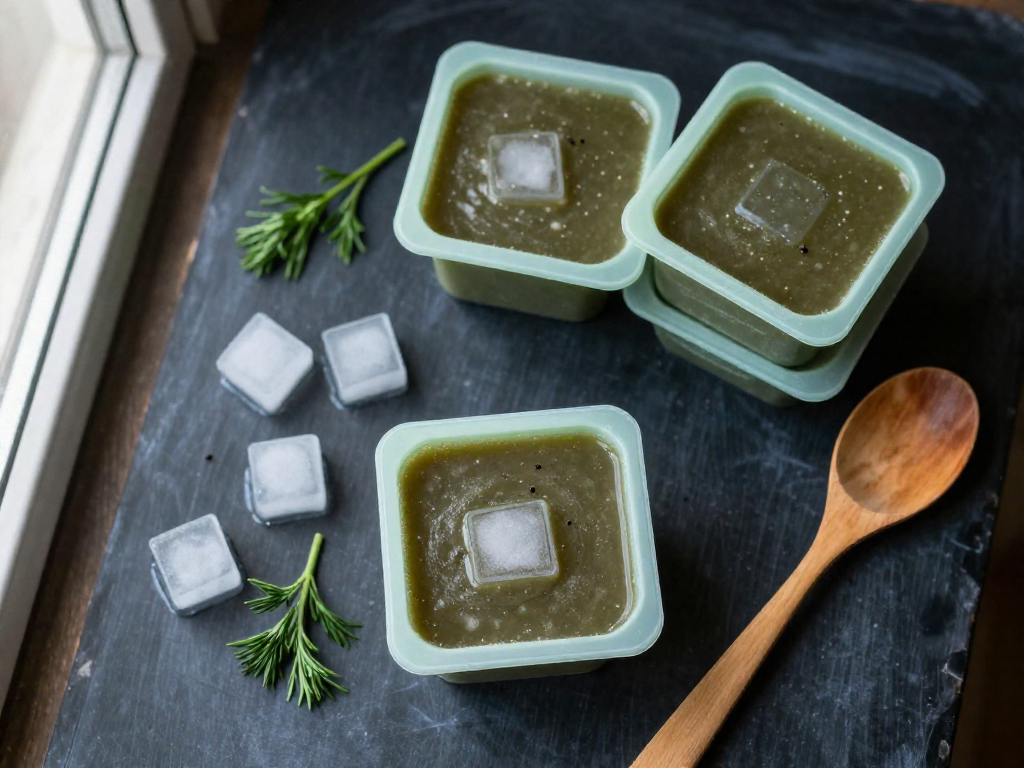
Instead of weekend meal prep chaos, master a once-a-month soup marathon that stocks your freezer with hearty, ready-to-reheat meals.
Why Winter Soup Season Deserves a System
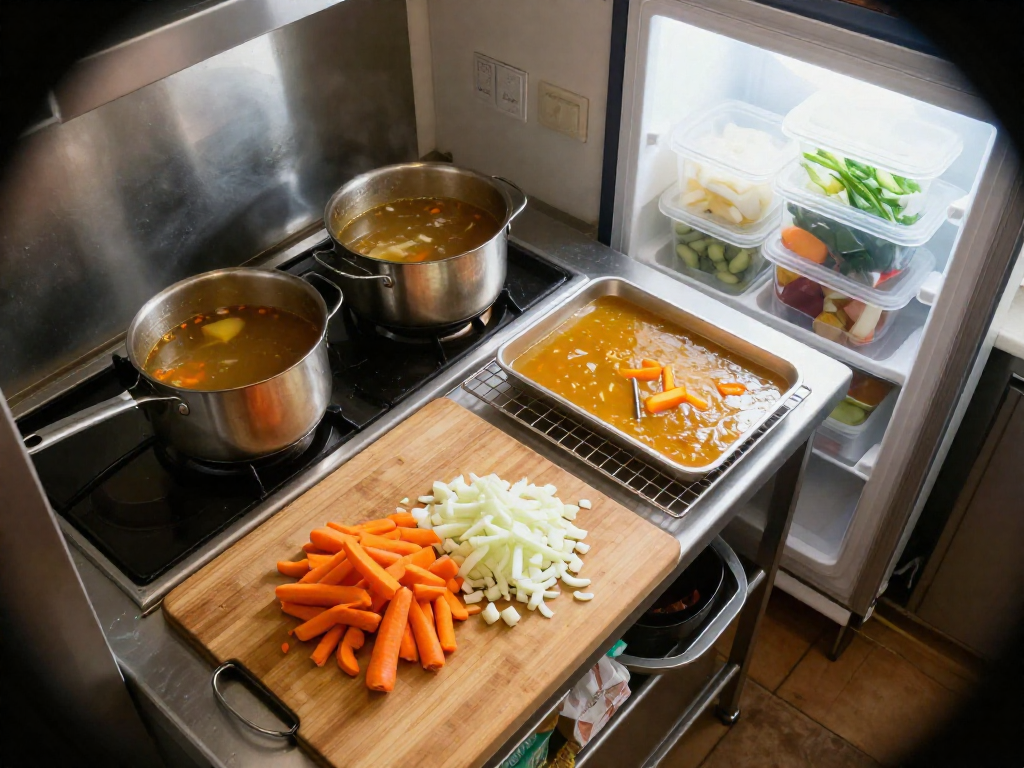
Ditch the nightly soup pot for a single, glorious mess once a month. Soups and stews are the most forgiving batch-cooking candidates—they scale effortlessly, freeze beautifully, and reheat in minutes. Instead of the 5 p.m. scramble, you just pull a jar from the freezer, heat, and eat. No more chopping onions in the dark after work. With a simple system, one kitchen tornado buys you weeks of winter warmth.
The Once-a-Month Soup Day Blueprint
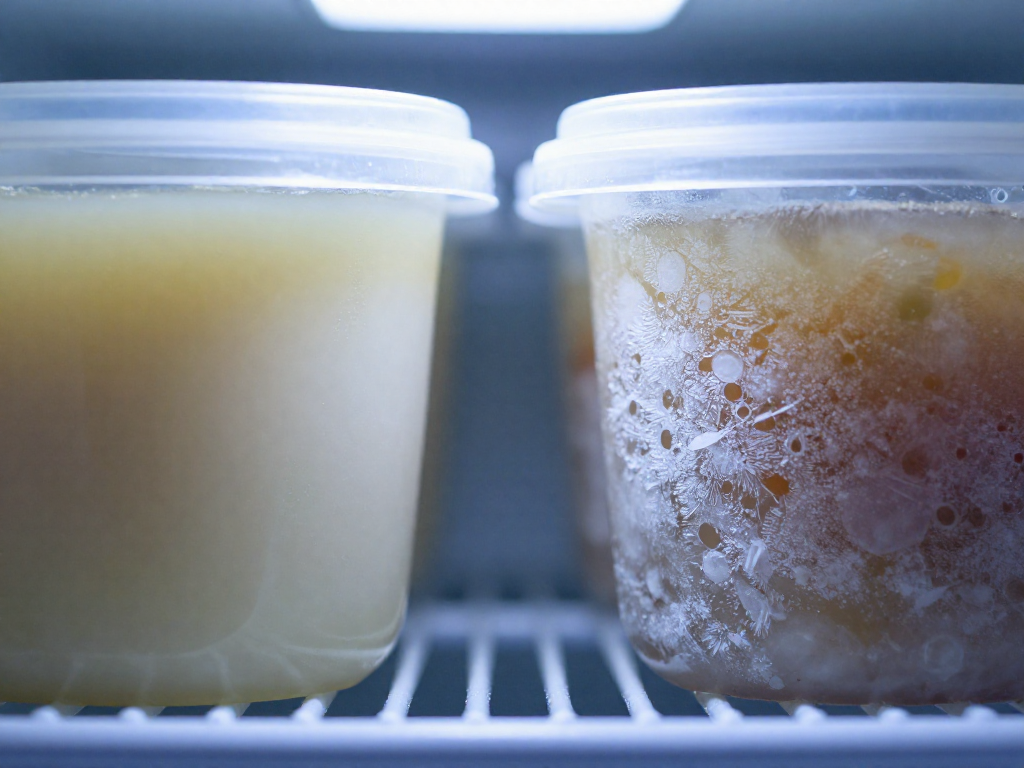
A month’s worth of soup doesn’t happen by accident. The secret is a tight blueprint that turns one long afternoon into a freezer full of meals you’ll actually want to eat. Here’s the flow that works for busy dual-income families.
Start the night before. Consolidate your grocery list and pre-chop all the aromatics—onions, garlic, celery, carrots—so they’re ready to go. Line up your recipes and group ingredients by pot. If you’re making a lentil soup, a chicken chili, and a beef stew, for example, you’ll brown some meat, but you can do all your vegetable prep at once. This hour of evening prep saves you from the chaos of hunting for a forgotten head of garlic mid-cook.
On soup day, run three vessels in parallel: an Instant Pot for speed, a Dutch oven for depth, and a slow cooker for hands-off simmering. Start with tasks that take longest or need attention: sear beef cubes for stew in the Dutch oven, then once it’s braising, load the Instant Pot with lentil soup ingredients, hit the pressure button, and walk away. Fill the slow cooker with chili components and let it do its thing while you tidy up. This overlapping approach cuts active cooking time dramatically.
Cooling is where many soup sessions go wrong. To cool safely and fast, transfer finished soups into shallow pans (like hotel pans or large glass dishes) and set them in an ice bath in the sink. Stir occasionally; the soup will drop to room temperature in under an hour. No waiting around for a huge pot to cool on the counter.
Portion immediately. Use a ladle and a kitchen scale or measuring cups to fill zip-top freezer bags or straight-sided containers. Label with the name and date—don’t trust your memory, because everything looks like mysterious brown sludge in the freezer. Stack bags flat on a sheet pan to freeze solid, then file them vertically like books.
All the while, clean as you go. As each pot empties, wash it and put it away. Wipe down counters between tasks. By the time you’re capping that last container, your kitchen is spotless, and all you’ll have to show for your effort is a freezer full of labeled, home-cooked meals. That’s the blueprint: prep smart, cook in parallel, cool fast, pack and label, and clean as you go. Rinse and repeat each month.
Hearty Beef & Barley Stew: Freezer-Friendly Comfort
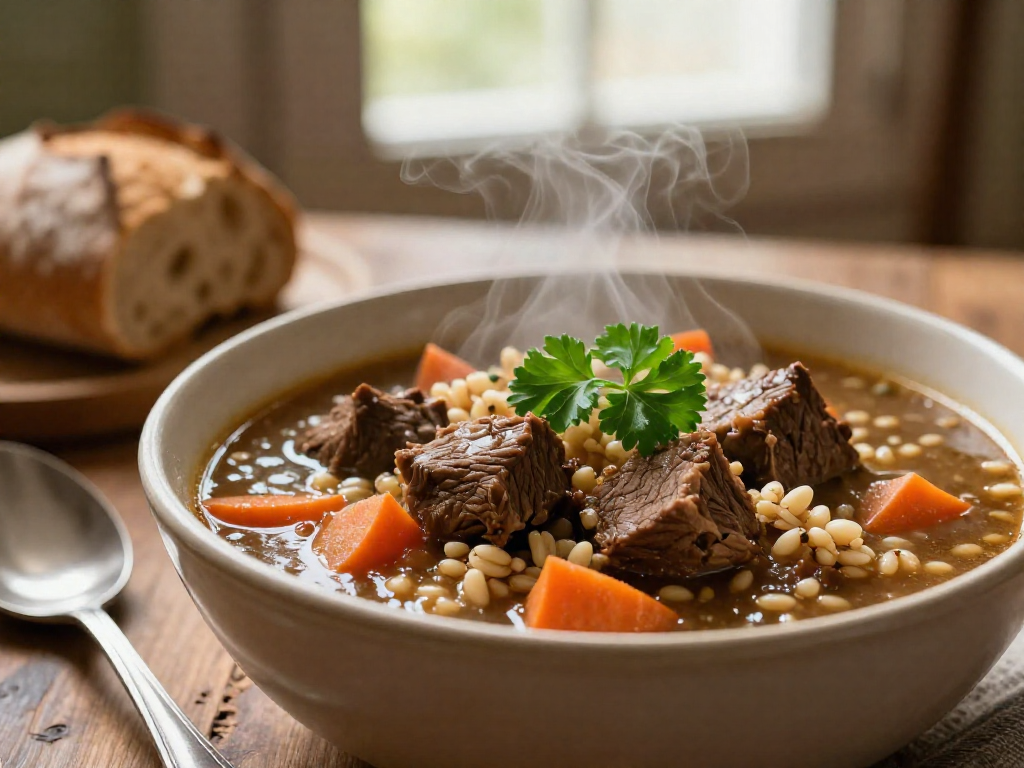
This stew is a cold-weather workhorse—deeply savory with tender beef and chewy barley that both survive freezing without turning mushy. The broth thickens just enough to coat a spoon but still tastes like a proper Sunday supper.
Portion it warm into family-sized blocks using Souper Cubes or freeze flat in gallon zip-top bags for slim storage. Leave a bit of headspace for expansion, then seal tight once fully cooled. If you freeze in cubes, pop the bricks out after solid and wrap individually; it’s a small step that prevents freezer burn and makes pulling one portion a cinch.
Reheat straight from frozen with a splash of water over medium-low heat, stirring occasionally. Just before serving, add a glug of Worcestershire sauce and a generous pinch of fresh parsley. The acidity and freshness wake the stew up so well you’ll swear it’s fresh. For a faster reheat, thaw overnight in the fridge.
Skip the extra work of cooking barley separately—it stands up to freezing and reheating without any off textures.
Creamy Chicken & Wild Rice Soup (Make-Ahead Style)
Creamy soups and the freezer usually don't get along—dairy tends to separate into fat and water when frozen, leaving you with a grainy, broken sauce once thawed. The fix is surprisingly straightforward: build a flavorful, dairy-free base that can handle the cold, then stir richness back in at the table.
For this chicken and wild rice soup, make the base with stock, aromatics, shredded chicken, and vegetables. Hold the cream, half-and-half, or even coconut milk back entirely. Portion the base into freezer containers or bags, chill well, and freeze. When you're ready to eat, reheat the base gently on the stovetop, then add your dairy of choice off the heat—just enough to make the broth silky but not so much that it overpowers the earthy rice.
One more trick: undercook the wild rice by a few minutes before freezing. It'll finish absorbing liquid as it defrosts and reheats, so it stays pleasantly chewy rather than turning into bloated mush. If you're using a rice blend, par-cook it until it's about three-quarters done—firm to the bite but not crunchy. This small step makes the difference between a soup that tastes freshly made and one that tastes like it's been waiting around.
Vegan Lentil & Veggie Power Soup
When you need a batch that’s dirt cheap, dead simple, and completely unfussy in the freezer, this lentil soup is the one. It starts with a single pot—brown or green lentils (they hold their shape best), a can of diced tomatoes, a bag of frozen mixed vegetables, onion, garlic, and a heavy hand with cumin and smoked paprika. Everything gets dumped in together, simmered until the lentils are tender, and then cooled for freezing.
The texture after thawing is exactly why this soup earns its keep. Lentils and vegetables don’t break down into mealy mush or separate into watery layers—every spoonful comes out as hearty as the day you made it. To bring it back to life, reheat a portion and stir in a big squeeze of lemon and a handful of fresh spinach. The acid brightens the whole bowl, and the spinach adds just enough green that it tastes like you cooked it fresh. This one works as a side or a main, and you can toss in cooked grains or small pasta when serving if you want to bulk it up further.
The Freezing & Reheating Playbook: No More Mushy, Bland Leftovers
The right container makes all the difference. I reach for Souper Cubes for perfectly portioned 1- or 2-cup blocks that stack neatly—no ice-pick chipping required. Freezer-safe deli containers work great too, and lay-flat zip-top bags (with the air squeezed out) maximize space while guarding against freezer burn.
Never dump a pot of steaming soup straight into the freezer. It’ll raise the temperature around it and risk thawing neighboring foods. Instead, cool it fast: set the pot in an ice bath in the sink and stir occasionally, or pour it into shallow baking dishes so the heat dissipates quickly. Only then does it go into the freezer—this is the single biggest move for texture.
Label like you mean it. Freezer tape and a permanent marker are your friends. Write the soup name, date, and a quick reheat note (e.g., “stovetop low, add fresh cream”). In a few weeks, Lentil & Veggie looks exactly like Beef & Barley, and guessing is no fun.
Some ingredients just can’t handle the deep freeze. Potatoes turn gritty and mealy; if you must, use waxy varieties and expect them to break down a bit. Pasta absorbs liquid and turns to mush—cook it separately and add when reheating. Dairy can separate or curdle; stir in milk, cream, or yogurt right before serving, not before freezing. The workaround is simple: leave these troublemakers out of the batch, and fold them in fresh on reheat day.
When it’s time to eat, the stovetop gives you the best control—gentle heat, occasional stirring, and a chance to correct seasoning. The microwave will do in a hurry, but go low and slow to avoid hot spots that wreck texture. A splash of vinegar or lemon juice, a handful of chopped herbs, or just a pinch of salt brings the flavor back to life after its cold sleep.
How long will it last? So long as the container is airtight, your soup stays good for months, but freezer burn creeps in over extended periods. No surprise science here: the less air, the better. Rotating your stash (newest to the back) keeps everyone fresh and ready.
Soup Swaps: Keep Your Monthly Menu Fresh
Beat soup fatigue by treating the same freezer batch as a canvas. Swap toppings: one night crunchy croutons and sharp cheddar, the next a drizzle of pesto or a heap of fresh herbs. Pair with crusty bread, cornbread, or even over a baked potato. Leftover stew? Thin it out as a quick pasta sauce or use it as a casserole base. No extra cooking—just small pivots that keep the month interesting.
See also
- Batch cooking 101: your first weekend workbook
- The ultimate meal planning template for dual-income families
- Freezer inventory spreadsheet: stop losing meals to the abyss
- Fall batch prep: chili and slow cooker staples
Related articles

Seasonal Chore Batching: Spring Cleaning and Fall Yard Work Templates
How can I apply batching techniques to deep seasonal chores?
Jul 31, 2026 · 8 min read
The Emergency Meal Stash: A Seasonal 'Oh Crap' Kit for Busy Weeks
How do I create a stash of emergency meals for inevitable hectic times?
Jul 31, 2026 · 5 min read
Holiday Hosting on Autopilot: Batch-Prepped Appetizers and Sides
How can I batch prepare holiday food in advance so I'm not stuck in the kitchen during gatherings?
Jul 31, 2026 · 7 min read