Seasonal Chore Batching: Spring Cleaning and Fall Yard Work Templates
How can I apply batching techniques to deep seasonal chores?
On this page

Imagine swapping overwhelm for a two-weekend system that gets your entire spring cleaning or fall yard work done without stealing every Saturday for a month.
Why Batching Deep Seasonal Chores Works for Dual-Income Families
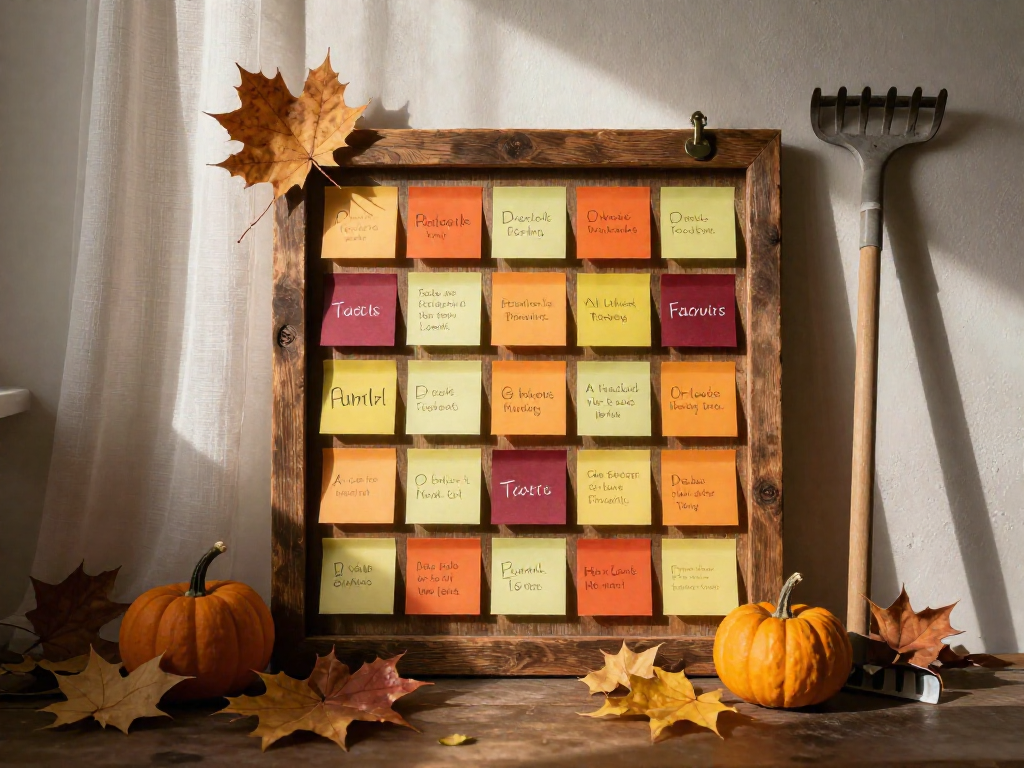
Applying batching to deep seasonal chores means treating spring cleaning or fall yard work not as a single monster weekend marathon, but as a series of focused, two-hour sprints grouped by task type. This approach fits neatly into evenings and weekend mornings without stealing your entire day off.
Seasonal chore batching groups similar tasks—like all window washing or all garden bed prep—into compact time blocks. The compound efficiency is real: you pull out the ladder once for all high-dusting, not five separate times. For dual-income families, the sporadic “clean till you drop” Saturday model fails because it’s the first thing to get bumped when a kid’s soccer game or a work deadline appears. Batching shifts the frame from a draining all-day affair to a predictable project you can track and complete in sprints. You’re not hoping to find time; you’re assigning it deliberately, like a recurring meeting with your house. The mental load shrinks because decisions are front-loaded: you plan the batches once, then execute without re-deciding what to tackle next. This is the same batching logic that makes meal prep work—do a chunk, rest, repeat.
The Spring Cleaning Batching Template: Room-by-Room Blitz

A room-by-room blitz is the most direct way to knock out spring cleaning without letting it bleed across your calendar. By clustering messy, time-intensive tasks into a few focused weekends, you turn a vague seasonal dread into a clear, repeatable template.
Pre-Batch Prep: Declutter, Stock, Assign
Before the first bucket of water hits the baseboards, spend one evening decluttering. Walk each room with a donate box and a trash bag—clear flat surfaces, overstuffed closets, and under-bed chaos. You can’t deep-clean around piles. Next, take inventory: all-purpose cleaner, microfiber cloths, scrub brushes, grout brush, vacuum bags, mop pads, and any specialty products for your appliances. Multiples of basics are your friend here; it means no one’s waiting on a shared spray bottle. Finally, assign family roles. One adult takes bathrooms, the other attacks bedrooms. Older kids can handle baseboards, window sills, and wiping down light switches. Mark who’s responsible for what on a shared checklist before the first weekend hits.
Weekend 1: Bedrooms and Bathrooms
Start upstairs if you have one, working top to bottom. In bedrooms, strip beds, wash all linens including dust ruffles and curtains, and rotate or vacuum mattresses. While the laundry spins, dust ceiling fans, blinds, and picture frames with a damp cloth. Vacuum under furniture and along baseboard edges that get skipped during weekly cleaning. In bathrooms, scrub tile and grout, descale showerheads, wash exhaust fan covers, and clear out medicine cabinets of expired products. Tackle one bedroom-bathroom pair at a time in a tight 45-minute sprint; with two adults and a teen, a three-bedroom house can be finished in a single morning.
Weekend 2: Kitchen and Living Areas
This is the hardest-hitting segment because the kitchen demands more detail work. Pull everything off counters and out of cabinets—yes, all of it. Wipe down cabinet fronts and shelving, clean behind the fridge and stove, degrease the range hood filter, and run a cleaning cycle on your oven while you work on other zones. Scrub the sink and disposal, descale the coffee maker, and vacuum the condenser coils on the refrigerator. Living areas are lighter: vacuum upholstery and under cushions, wipe down light fixtures, touch up scuffed paint with a small artist’s brush, and wash windows inside and out if weather allows. Spread this over a full Saturday and give yourself permission to order pizza that night.
Weekend 3 (Optional): Garage, Storage, Donations
A third weekend closes the loop by attacking what you pulled out of closets. Sort donations into labeled boxes, sweep garage floors, and hose down garbage bins. This is also the time to update your home inventory or safety-check items like smoke detectors if you skipped them earlier. Skip it if your energy is flagging; the template works with two weekends, and you can slot this in mid-summer.
Building Your Per-Room Checklist
A batching template fails without a checklist that breaks each room into discrete, checkable micro-tasks. Instead of “clean bathroom,” list: “scrub tub, descale showerhead, wipe vanity drawers, wash bath mat.” Laminate a master copy and tick off with a dry-erase marker, or keep it in a shared notes app. The checklist is what turns spring cleaning into a system you’ll use year after year, not a frantic scramble.
The Fall Yard Work Batching Template: Outdoor Maintenance Made Simple
Fall yard work is a classic overwhelm trap: dozens of small tasks that all feel urgent at once. Batching flips the script by grouping them into a few focused weekends, each with a clear, weather‑sensitive mission.
Start with a 20‑minute walkaround audit. List what your property actually needs—gutter cleaning, leaf removal, pruning dead limbs, tool storage, lawn aeration, mulching—and nothing else. Skip the aspirational projects. Once you know your must‑dos, schedule three weekends as soon as the first leaves drop, leaving room for a rain delay.
Weekend 1: Trees and Hardscape. Dedicate this block to everything above shoulder height and everything that protects your home’s exterior. Clean gutters and downspouts, prune trees and shrubs while the branch structure is visible, and power‑wash siding, decks, or patios. If you have a ladder out, this is the time to do all ladder‑based tasks in one session—gutter cleaning, high pruning, and even swapping out exterior lightbulbs if they’re due. Cutting setup time from five separate outings down to one compound session is the core batching win.
Weekend 2: Lawn and Garden. Once the canopy is tidy, shift to ground level. Core‑aerate the lawn while the soil is still workable but after the summer heat has broken; overseed and apply a fall fertilizer right after aeration so the seeds drop into the holes. Plant spring‑flowering bulbs (tulips, daffodils, alliums) before the ground freezes, and spread a final layer of mulch over garden beds to insulate roots. If leaf removal hasn’t been done, run the mower over dry leaves to chop them into free mulch right where they fall—a compound task that feeds the lawn while tidying up.
Weekend 3 (optional): Outdoor Gear. This is your wrap‑up window. Drain and store hoses, shut off exterior spigots, winterize the mower by running the fuel system dry or adding stabilizer, and stash furniture and garden tools. If snow is in the forecast, position shovels or snowblower within easy reach now so you aren’t digging them out of a frozen shed later. This session is pure friction reduction—five small tasks that, done separately, eat half a dozen Saturday mornings.
The biggest time‑saver is the ladder block. Every trip to the garage, every time you extend and secure a ladder, is a fixed cost. By doing all high‑work in one go, you eliminate the repeated setup that makes fall yard work feel like it’s dragging on for weeks. Two or three structured weekends, and the outside of your home is buttoned up for winter with weekends left to spare.
Don’t Fall for These Seasonal Batching Mistakes
The biggest trap is trying to cram every task into one marathon weekend. It leads to burnout and sloppy work. Instead, spread jobs across themed sprints—like “window weekend” or “gutter afternoon”—so each gets real focus.
Outdoor tasks live and die by the forecast. Scheduling a leaf blitz the morning after a downpour just doubles the labor. Check the 5-day outlook and stay flexible; a dry, cool window beats a rigid date every time.
Your template has to fit your reality. A three-story Victorian needs different pacing than a ranch. Cut the room count or split tasks over more days if you’re stretched thin—small adaptations prevent the whole plan from collapsing.
Skipping the prep phase is the silent system-killer. Block family time on the calendar first, then shop for supplies a few days before. Walking into a sprint without trash bags or mulch in the garage turns your batching into an exercise in frustration.
Ready to Build Your Own Seasonal System?
Grab the print-friendly checklist, subscribe for year-round batching templates, and share your seasonal wins—then go tackle that next season with a system that fits your family.
FAQ
How do I handle seasonal chores that fall outside the spring/fall windows?
Batch them into a mini-season weekend or attach them to a recurring monthly rhythm. For example, schedule gutter cleaning right after the leaves drop with a slimmed-down checklist, or pair HVAC filter swaps with a monthly billing day. The template format works at any scale—just shrink the time block and task count.
What if my partner and I have conflicting schedules during the batching weekends?
Run a split-shift version of the template. Assign each person a dedicated column of tasks they can complete on separate days or in smaller windows, and agree on a completion deadline. Indoor and outdoor lists often split naturally, or you can trade who does the heavy-lift chores each season to keep it fair.
Can I batch seasonal chores without a written template?
Yes, but a written template saves mental energy and keeps nothing from slipping. The real cost is the brain power to track it all in your head; a quick bullet list on a whiteboard or shared phone note offloads that and lets everyone see progress without a manager.
How can I get my kids excited about participating in seasonal batching?
Gamify the batch with a bingo board or a timer-based race, and end with a collective reward. Let each child mark off tasks, pick a power-hour playlist, or earn points toward a family pizza night. Ownership and a clear finish line turn a chore block into a team event.
See also
- Weekly Chore Batching for Working Parents
- Meal Batching: How One Sunday Saves Your Weeknights
- Involving Kids in Chores: Age-Appropriate Tasks
Related articles

Winter Warmer: Batch-Cooking Soups and Stews for a Month
How do I batch cook and freeze a variety of soups and stews for winter?
Jul 31, 2026 · 7 min read
The Emergency Meal Stash: A Seasonal 'Oh Crap' Kit for Busy Weeks
How do I create a stash of emergency meals for inevitable hectic times?
Jul 31, 2026 · 5 min read
Holiday Hosting on Autopilot: Batch-Prepped Appetizers and Sides
How can I batch prepare holiday food in advance so I'm not stuck in the kitchen during gatherings?
Jul 31, 2026 · 7 min read