Stealth Health: Hidden Veggie Batch Recipes That Kids Don't Notice
How can I sneak vegetables into batch-cooked meals without detection?
On this page
For busy families batch cooking is a lifesaver, but getting kids to eat veggies? That’s another battle. Here’s how to win the war with stealth health techniques that blend right into your favorite make-ahead meals.
Why Stealth Veggies Work in Batch Cooking
Sneaking extra vegetables into meals works best when you treat them like a batch-cooking ingredient, not a side project. You’re already building sauces, meatballs, and muffins—dishes where a quick puree simply vanishes. Make those veggie boosters in bulk on your monthly cook day, freeze them in portioned cubes, and drop them straight into pasta, burgers, or brownies. Familiar comfort foods are the perfect hiding spots, so your kids just taste the meal they already love.
The Prep: How to Make and Freeze Veggie Purees
The real power move is having a stash of undetectable veggie purees ready to go. The best vegetables for this are mild, smooth, and color-compatible: cauliflower, zucchini, butternut squash, sweet potato, and spinach cover almost every sauce, soup, or casserole you'll make. Cauliflower and zucchini vanish into white sauces and cheesy bakes. Butternut squash and sweet potato bring sweetness and orange color that blend seamlessly into tomato-based dishes. Spinach works in anything dark or herby, but it needs a quick extra step (more on that in a moment).
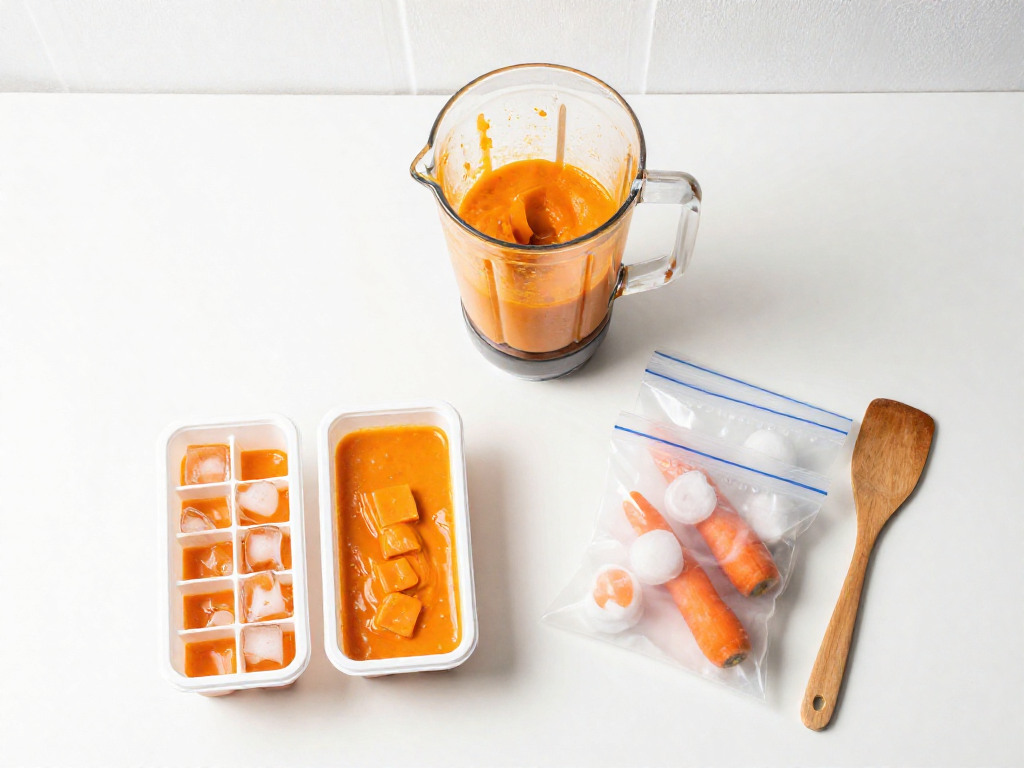
Start by cooking your chosen vegetable until very tender. Steaming is the cleanest, easiest method and keeps flavors neutral, but roasting (especially for squash and sweet potato) adds a subtle caramelized depth that actually makes the puree taste sweeter – which can help mask it even more. Once soft, transfer to a high-speed blender and blitz until completely silky. Add just enough water to get things moving if needed, but keep it thick; watery purees thin out your final dish. For spinach, always blanch it first: a quick dunk in boiling water, then an immediate ice bath. Squeeze every last bit of water out before blending. This single step prevents a soggy, murky mess later and concentrates the spinach into a tiny, potent dose.
Now, freeze in portions that match how you cook. Ice cube trays are perfect – each cube is roughly 2 tablespoons, so you can toss a couple into a simmering sauce without defrosting. For bigger batches, freeze ½-cup portions in silicone molds or small bags. Once solid, pop them out and transfer to labeled freezer bags. Always mark the date and veggie; pureed squash and sweet potato look identical once frozen. Stored properly, these purees keep for up to 3 months in the freezer without losing quality. In the fridge, use them within a week. When you're batch cooking, just grab a cube or two and stir into your sauce, soup, or taco filling – no one will know it's there.
3 Foolproof Batch Recipes Kids Love (With Hidden Veggies)
These three workhorses turn stealth vegetables into meals you can pull from the freezer on a Tuesday night — no green flecks, no suspicious textures, no dinnertime drama.
Super Sauce starts like any good marinara: sweat a chopped onion and a few garlic cloves in olive oil, then add a large can of crushed tomatoes and a teaspoon of dried oregano. The stealth move? Blend in one cup of thawed cauliflower purée until completely smooth. The sauce thickens beautifully and picks up a subtle sweetness without changing color. Use it on pasta, as pizza sauce, or spooned over baked chicken. Portion it into quart freezer bags, lay them flat to freeze, and you’ve got a half-dozen dinners stacked like books.
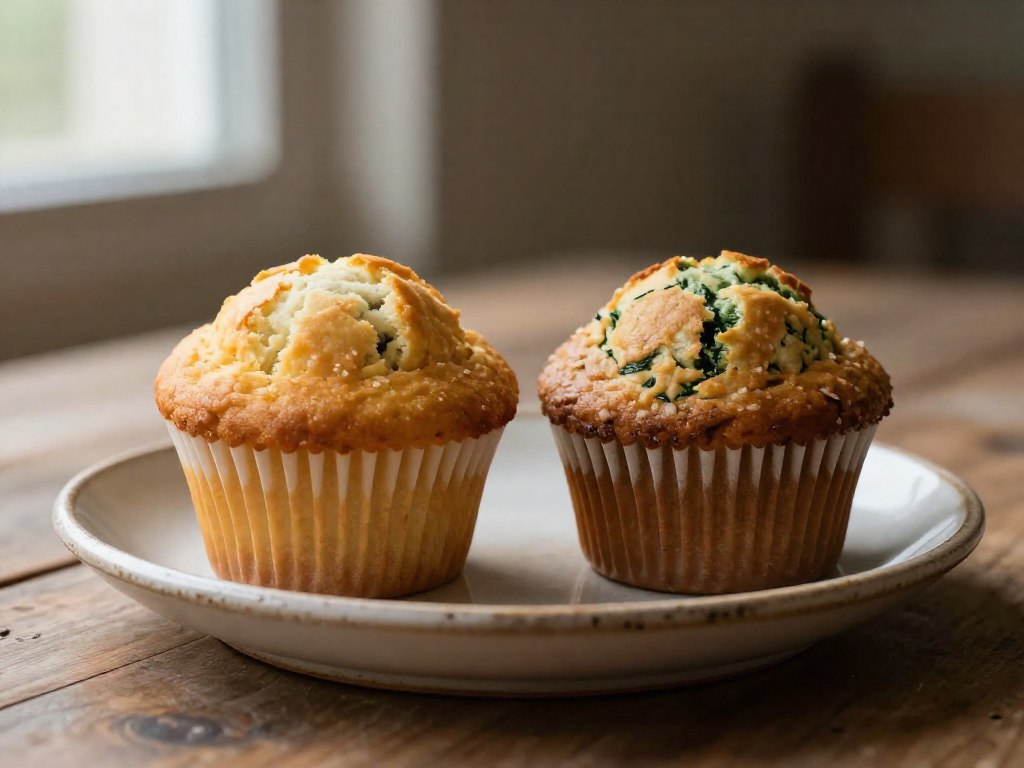
Power Muffins lean on ripe bananas to mask a full cup of spinach. Squeeze every last drop of liquid from thawed spinach purée — wet spinach turns muffins gummy — then stir it into your favorite banana muffin batter along with a handful of mini chocolate chips. Scoop into liners, bake until a toothpick comes out clean, cool completely, and freeze in a single layer before bagging. Kids see a chocolate-flecked muffin and taste banana; the green disappears behind that deep brown crumb.
Secret Meatballs stretch a pound of ground meat with finely grated zucchini and carrot. For every pound of beef, turkey, or chicken, mix in half a cup of drained, grated zucchini and a quarter cup of carrot purée, plus an egg, breadcrumbs, and Italian seasoning. Roll them tight — those vegetables will try to escape — and bake on a sheet pan at 400°F until browned. Freeze the meatballs on the tray first, then transfer to a bag. Reheat directly in sauce for a meal that tastes like a cozy Sunday, but came together on your prep day.
Mistakes That Give It Away (And How to Fix Them)
Stealth veggies fail when texture, color, or flavor give them away. Puree thoroughly and push the mix through a fine-mesh strainer to remove fibrous bits that scream “healthy.” For light-colored dishes, stick to white or orange veggies—spinach turns mac and cheese an unappetizing green. Cruciferous choices like broccoli or kale turn bitter fast; cap them at a quarter of the recipe and lean hard on garlic and onion to keep the taste kid-friendly.
Quick FAQ: Your Top Stealth Veggie Questions
Fresh or frozen? Either works, but if you choose fresh veggies, cook, puree, and freeze them immediately so they’re always batch-ready. How long do purees last? Up to 3 months in a deep freezer; in the fridge, use within a week. What if my kid still tastes it? Halve the amount next time, or swap in something extra-mild like cauliflower — it hides beautifully.
The Honest Note: It’s a Bridge, Not Forever
Think of stealth veggies as a bridge, not a forever plan: research shows it can take 10–15 exposures for a kid to accept a new vegetable, so hidden purees keep nutrients flowing while you keep offering visible ones at the table.
FAQ
Can I use fresh instead of frozen veggies?
Yes, you can use fresh veggies. Steam or roast them until very tender, then puree as you would with frozen. Fresh ones often have more water, so drain any excess liquid before blending to keep the puree thick.
How long do the purees last in the freezer?
Purees keep for months in the freezer, but their best texture and taste are within the first few months. Label containers with the date and use the oldest first for reliable flavor.
What if my child still detects the hidden veggie?
Switch to a milder-tasting vegetable like cauliflower or zucchini, or blend even finer with a splash of broth or sauce. A small amount of cheese or their favorite seasoning often masks the flavor completely.
Do I need special equipment to make the purees?
No, a standard blender or food processor works perfectly. A stick blender is convenient for small batches right in the pot, and a high-powered blender yields a silkier texture but isn't necessary.
See also
- Batch cooking basics for beginners
- Freezer-friendly meal prep templates
- Kid-approved healthy snacks without hidden veggies
Related articles

Kid-Approved Freezer Stash: 15 Meals That Freeze Perfectly
Discover 15 kid-approved freezer meals that freeze perfectly, with tips to avoid mushiness and boost flavor. Perfect for busy parents.
Jul 31, 2026 · 11 min read
When Kids Reject Your Batch: Troubleshooting Meal Refusal
What do I do when my child won't eat the meal I prepped?
Jul 31, 2026 · 7 min read
The Flavor Bridge: How to Introduce New Foods Through Batch Cooking
How can I use batch cooking to expand my child's palate without battles?
Jul 31, 2026 · 5 min read