The Flavor Bridge: How to Introduce New Foods Through Batch Cooking
How can I use batch cooking to expand my child's palate without battles?
On this page
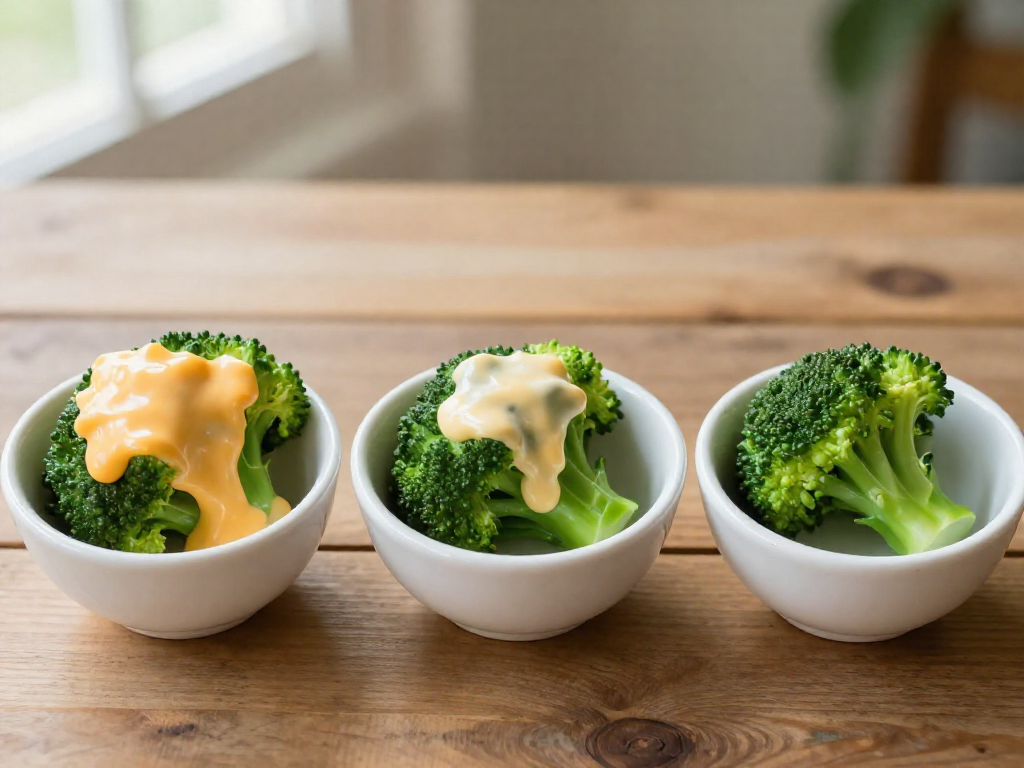
Acknowledge the mealtime dread of rejected dishes and position batch cooking as the tool that turns fleeting exposure into a low-effort system, using familiarity as a trusty bridge.
Why Repeated Exposure Works (and Why We Quit Too Soon)
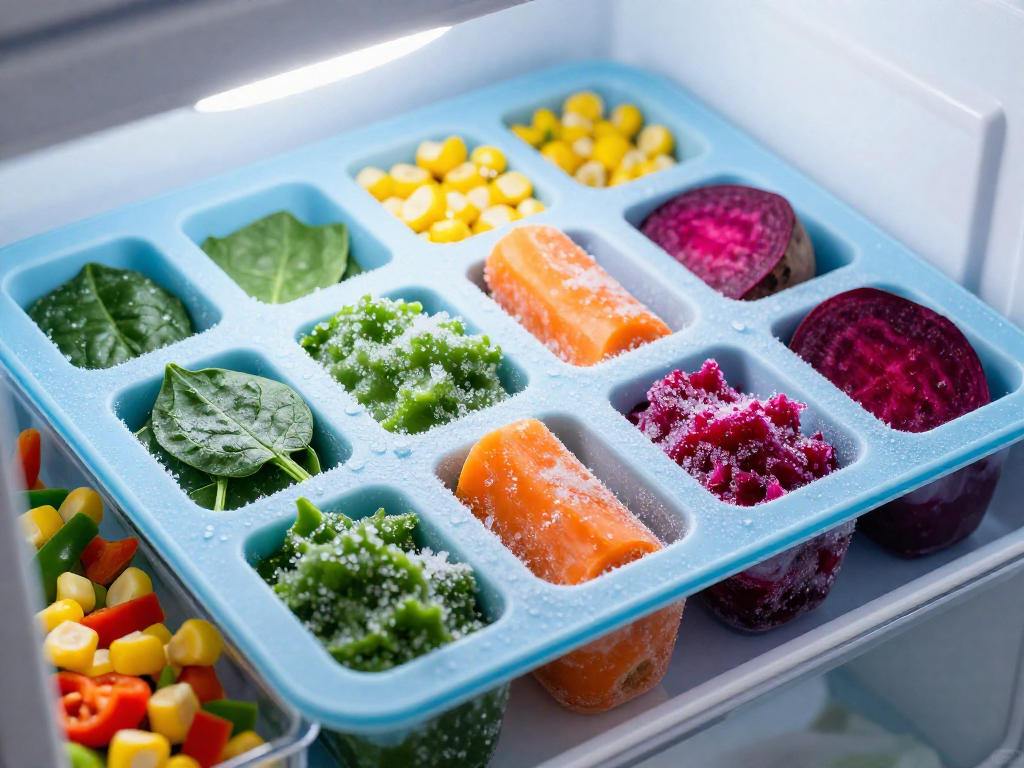
When it comes to expanding your child’s palate, batch cooking is your quiet superpower. Instead of negotiating every single meal from scratch, you set up a gentle, low-pressure repeat-offender system: the same new dish shows up at the table over and over, without anyone having to debate it. No fights. No pleading. Just quiet, consistent exposure.
Here’s the research-backed reality that most of us ignore in the heat of dinner: children often need to encounter a food 10 to 15 times before they’ll even consider liking it. But the average family gives up after two or three tries — right when the real work is just beginning. That 10-to-15 figure isn't a magic number, but it’s a powerful reminder that acceptance is a slow burn, not a snap decision. And it’s not only about tasting. The mere-exposure effect means that simply seeing a food on the table, smelling it, and watching you eat it counts toward building comfort. No pressure, no “just try one bite” — just familiarity doing its quiet job.
This is exactly where batch cooking earns its keep. When you’ve got containers of mild coconut dal or roasted broccoli already prepped in the fridge, you don’t have to wake up and decide, “Today I will summon the energy to push a new food.” You just scoop, reheat, and put it on the plate. The decision is already made. That mental load — the daily “should I try again?” — vanishes. Batch cooking turns exposure into a non-event, a background habit rather than an emotional showdown. Over time, that steady drip of familiarity nudges even the pickiest eaters toward acceptance, one low-key meal at a time.
The Flavor Bridge Strategy: Let Familiar Sauces Do the Heavy Lifting
When you're batch cooking for the week, the easiest way to get a new vegetable onto the plate is to coat it in a sauce your child already loves. Think of it as a flavor bridge—the familiar taste carries them across to the new texture without a fight. A batch of pesto, cheese sauce, or ranch dip can do the convincing for you. Even better, let your child pick the sauce; ownership lowers defenses.
Texture matching makes the bridge even sturdier. Pair crunchy with crunchy (roasted cauliflower with crispy breadcrumb topping) and smooth with smooth (steamed carrots blended into a favorite cheese sauce). When the mouthfeel aligns, the new food feels less alien.
The real batch-cooking win is the gradual fade. Over three or four weekly batches, you dial back the sauce until the vegetable stands alone. Start with a full coating, then toss just enough to glisten, then serve the sauce on the side for dipping, and finally serve it plain. For roasted broccoli, that looks like: broccoli drenched in parmesan-cream sauce → broccoli with a light sprinkling of parmesan → plain roasted broccoli. Each step lasts a week’s worth of meals, so the change feels like evolution, not a challenge.
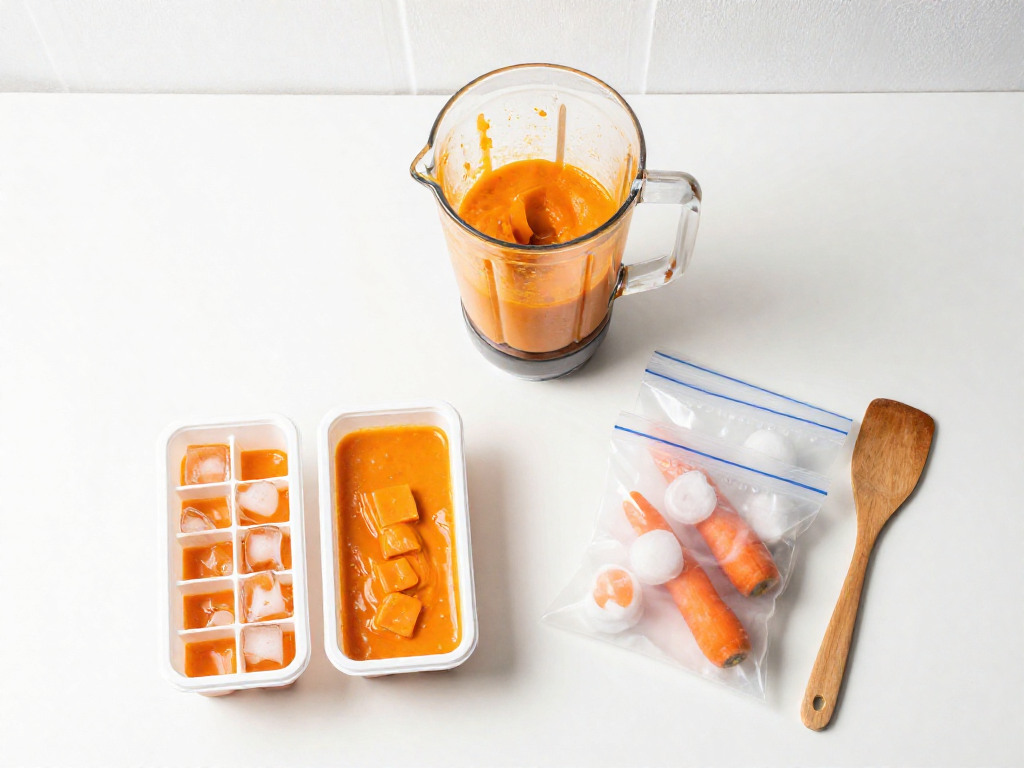
To keep this system humming, freeze your bridge sauce in ice cube trays. Pop out a cube whenever you need a quick dose of familiarity. Don’t reintroduce the old heavy sauce once you’ve moved on; the goal is to let the vegetable’s own flavor become the star. By riding on the coattails of a favorite condiment, you’re not tricking your child—you’re building a genuine acceptance that sticks.
Batch It Right: Weekly Prep That Actually Moves the Needle
The real leverage isn't cooking two dozen different things—it's cooking one new food in bulk, freezing it in baby-sized portions, and deploying those cubes all week long. Ice cube trays are your secret weapon: each well holds roughly a tablespoon, which is the perfect micro-serving for a small child. Fill a tray with puréed black beans, another with finely chopped braised greens, and a third with a mild curry lentil mash.
At mealtime, pop out one cube and plate it right alongside a guaranteed win—like buttered noodles or that sauce your kid already demolishes. There's zero pressure to eat it. The exposure alone does the work. Over the course of a week, you can rotate three different frozen cubes, giving your child multiple low-stakes encounters with new flavors without a single extra minute of daily cooking.
Batch prep once, freeze tiny, serve fearlessly. That's the system that moves the needle.
Mistakes That Slow Progress (and What to Do Instead)
One way to stall progress: pressure them to taste, make a separate kid meal, or hide every vegetable. Pressuring turns curiosity into a power struggle. A separate plate signals that new foods aren't for them. And relying only on stealth—puréeing spinach into sauce—never teaches acceptance of the real thing. Serve, and let them come to it on their own.
FAQ
How many times should I offer a new food before giving up?
Offer the new food repeatedly over many meals, without pressure. Children often need multiple exposures to accept something unfamiliar, and batch cooking makes it easy to include a tiny portion alongside familiar favorites so nothing feels forced.
What if my child refuses to touch the new food, even with a familiar sauce?
Serve the new food alongside a meal they already enjoy, without comment. Batch cooking lets you offer it in a low-stakes way—just a spoonful on the plate—so refusal doesn’t waste a full portion, and you can try again another day with a different preparation.
Can I mix a new food directly into a favorite dish, or is that hiding it?
It’s not hiding if you tell them it’s there. Blending or finely dicing a new vegetable into a pasta sauce is a smart batch cooking move because it introduces flavor without texture shock. As they get used to the taste, you can progress to larger pieces served on the side.
How do I batch cook when each family member likes different sauces?
Cook proteins, grains, and vegetables in bulk without sauce, then store them separately. At mealtime, reheat and let each person top their own bowl with their favorite sauce. This turns one batch cooking session into a flexible assembly line that respects everyone’s preferences without extra work.
See also
- Kid-approved freezer meal roundup
- Weekly batch cooking prep checklist
- How to organize a family taste-test night
Related articles
Stealth Health: Hidden Veggie Batch Recipes That Kids Don't Notice
How can I sneak vegetables into batch-cooked meals without detection?
Jul 31, 2026 · 5 min read
Kid-Approved Freezer Stash: 15 Meals That Freeze Perfectly
Discover 15 kid-approved freezer meals that freeze perfectly, with tips to avoid mushiness and boost flavor. Perfect for busy parents.
Jul 31, 2026 · 11 min read
When Kids Reject Your Batch: Troubleshooting Meal Refusal
What do I do when my child won't eat the meal I prepped?
Jul 31, 2026 · 7 min read