When Kids Reject Your Batch: Troubleshooting Meal Refusal
What do I do when my child won't eat the meal I prepped?
On this page
You spent Sunday afternoon batch cooking, filling your fridge with ready-to-go meals. But come Tuesday, your little one takes one look and declares it 'yucky.' Before you scrap your plan, here's a system that turns mealtime refusal into a manageable—and even predictable—part of your week.
First, Don't Make a Special Meal
When your kid turns up their nose at the reheated lentil soup you batch-cooked on Sunday, your first and hardest job is to not turn on the stove again. Making a separate meal on the spot feels like the kindest fix, but it quietly trains them that refusal works.
Every time you scramble together a backup dinner, you’re teaching that the meal you planned is optional, and that pleading or crying gets them something else. In a busy household running on batch systems, that precedent snowballs into nightly negotiations that gut your week’s plan.
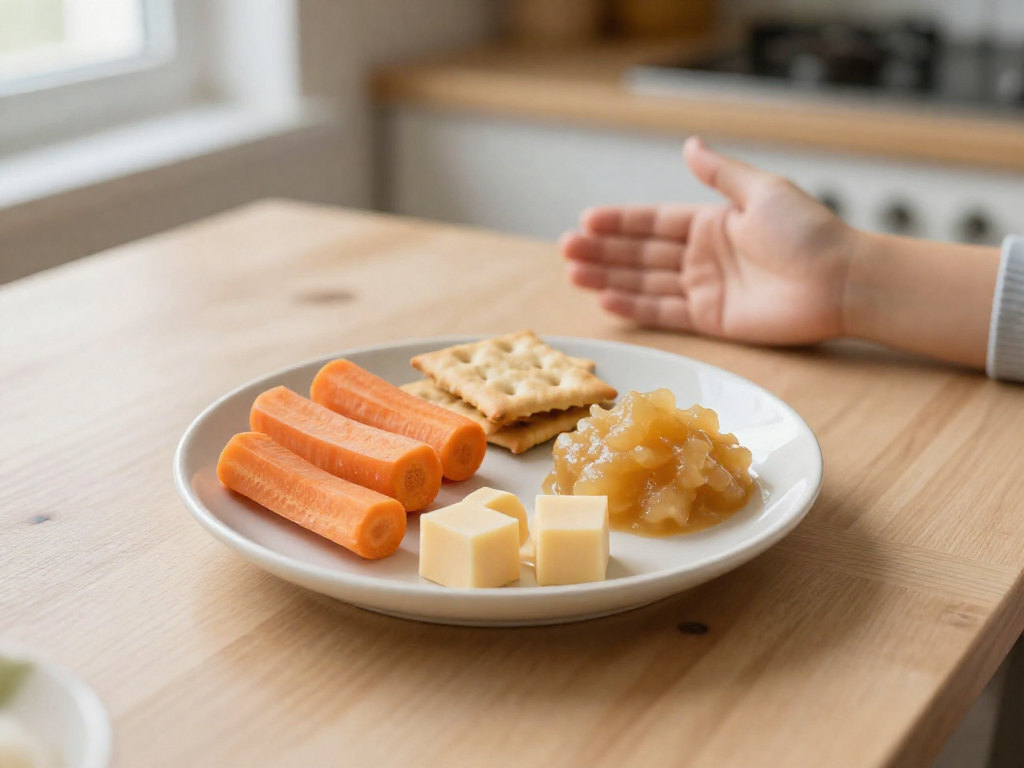
Instead, set out a small “No Thank You” plate with one or two familiar, low-effort items they can eat alongside whatever’s already on the table—a plain roll, a few carrot sticks, a bit of cheese. It’s not a replacement; it’s a bridge. They see the family meal stays, and you avoid becoming a short-order cook.
The 'No Thank You' Plate: Your Secret Weapon
When your kid eyes your batch-cooked dinner and launches into a full sit-in protest, the fastest way to defuse the situation is a 'No Thank You' plate. It’s not a separate meal, not a bribe, and definitely not a concession. It’s a small sidekick plate you set down alongside the main dish, loaded with two or three no-cook foods you know they’ll accept. Think cheese cubes, apple slices, a couple of crackers, or a few carrot sticks. The rule: nothing on the plate requires you to chop, cook, or negotiate.
How you place it matters more than what’s on it. Slide it onto the table without fanfare—no praise, no coaxing, no “just try a bite of the real dinner first.” You’re not offering a reward for rejecting the meal, and you’re not punishing them by withholding it. Just say, “Here’s some cheese and pear if you’re hungry,” and move on. The plate stays there regardless of whether they touch the main meal. That neutrality keeps it from becoming a power lever. Over time, kids learn the plate is a boring but reliable backup, not a starring role.
What you put on it adjusts with age, but the template stays the same: familiar, no-cook, and small enough that it doesn’t compete with dinner. For toddlers, a handful of shredded cheese, half a banana, and a teething cracker. For the 5-to-8 crowd, cheddar cubes, cucumber rounds, and a few pretzels. Older kids can graduate to a small bowl of edamame, apple wedges with peanut butter, or a hunk of baguette. Keep portions stingy—this isn’t a whole meal, just a safety net that keeps hunger from escalating into tears (theirs and yours).
The real win is that your batch effort stays intact. You didn’t scrap the lentil curry to make buttered noodles, so tomorrow’s leftover lunch is still on the table, and Thursday’s plan doesn’t unravel. Meanwhile, your child gets to exercise a sliver of control—“I don’t have to eat that, but I can eat this”—without anyone becoming a short-order cook. It’s a system that respects their autonomy while protecting the family meal structure. Use it consistently, and you’ll find the plate’s contents rarely become the star; they simply lower the volume on mealtime drama so everyone can get back to talking about something other than broccoli.
Tweaks That Transform Rejected Meals
A total refusal often comes down to one thing: the food looks, feels, or tastes unfamiliar. The good news is you rarely need a new recipe — just a tiny pivot that lets your batch meal meet your kid where they are. These tweaks take seconds but can completely change how a dish is received.
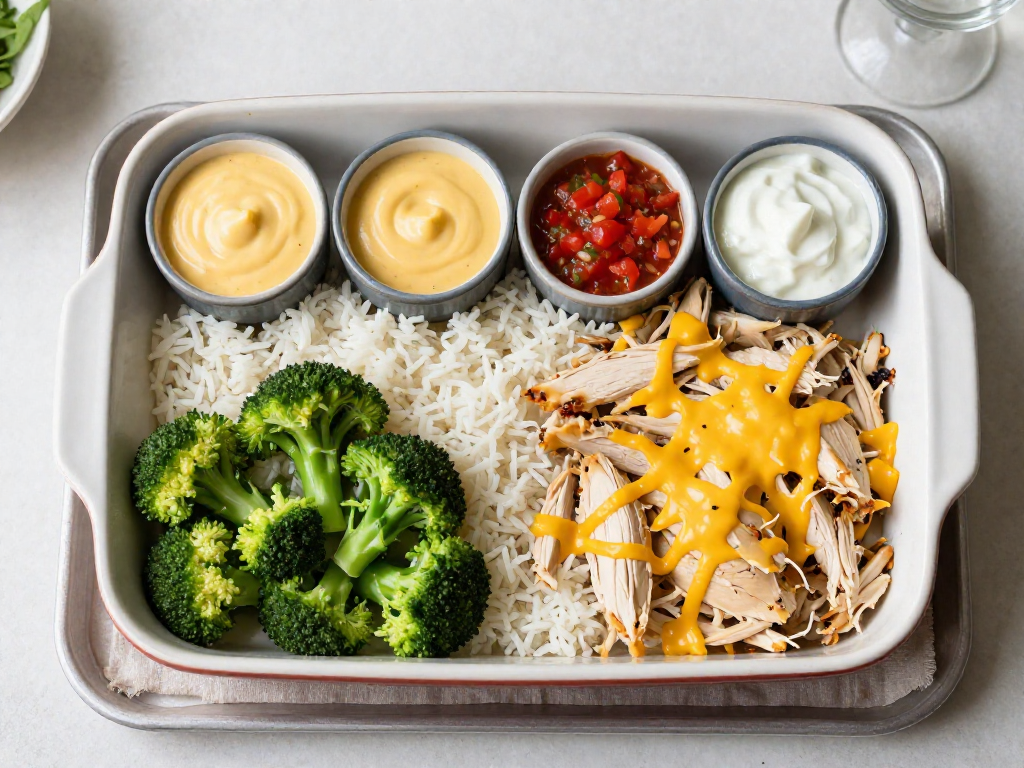
Deconstruct, don't reconstruct. If you served a casserole or a stir-fry, break it into its separate parts right on the plate. A scoop of rice here, a pile of chicken there, a few carrots on the side. Many kids dislike foods touching or feel overwhelmed by mixed textures. Deconstructing gives them control and makes each element approachable.
Dip it, drizzle it, dust it. A familiar sauce bridges the gap between the known and the unknown. A dollop of ketchup, a swirl of ranch, a sprinkle of parmesan — these are not “giving in”; they are scaffolding. The same batch meatball on its own may get a hard no, but the exact same meatball dipped in marinara or barbecue sauce often disappears.
Play with texture. Chunky soup might be a sensory no-go, but blended smooth can become a hit. Roasted vegetables rejected in big pieces? Dice them tiny or even shred them into rice or pasta. A grilled cheese sandwich cut into star shapes or toasted extra-crispy can suddenly look like a treat. Texture shifts are free and fast.
Serve family-style. Put the components and sauces on the table and let everyone build their own plate. When a child has the power to choose how much goes on their plate, resistance drops sharply. They might end up with exactly what you cooked — just arranged by their rules.
The one-new-food safety net. Anchor every meal with one or two unquestioned favorites — buttered noodles, apple slices, plain bread — alongside the batch dish. This isn't a buffet; it's a guarantee that something on the table feels safe. The unfamiliar food sits next to the known, without pressure, and over repeated exposures, curiosity often wins.
Get Them on Board Before the Batch Even Happens
Kids are far more likely to eat something they had a hand in choosing or preparing. The trick is to offer a tight set of options that all work with your batch system, so you're not creating extra work. Each week, let each child pick one meal from a list of three to five pre-approved dinners you already plan to make. A 4-year-old might choose between taco bowls and chicken pasta; a 10-year-old can flip through a binder of recipe cards. The choice is real, but the boundaries are yours—no one's suddenly demanding frozen pizza on Tuesday.
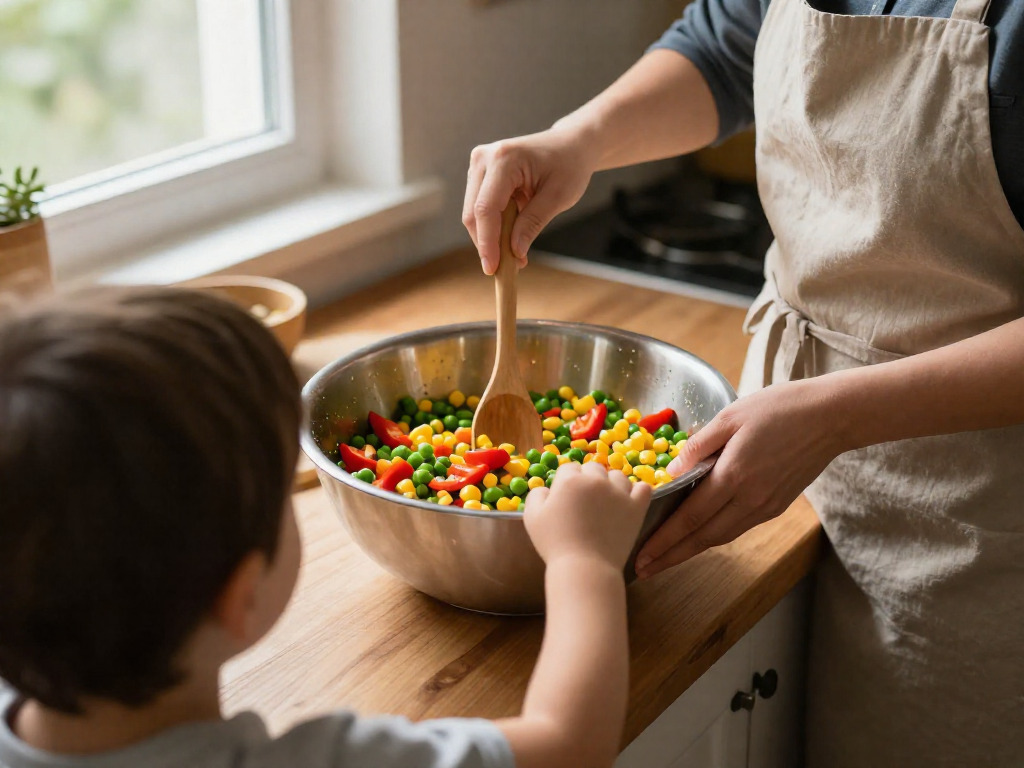
During weekend prep, pull them into the kitchen for a quick, age-appropriate task. Little ones can wash mushrooms or tear leafy greens; older kids can measure spices, stir sauces, or operate the slow cooker. While you cook, turn it into a taste-test game: "Is this sauce tangy enough? Does it need more oregano?" Let them dip a spoon and give a verdict. They'll feel invested in the final result long before it hits the dinner table.
A visual menu board locks in that buy-in all week. Use a simple whiteboard or a printed chart with magnets for each meal. Kids can move a magnetic frame to mark their pick of the week, or add a sticker beside the meal they "helped" make. Seeing their choice displayed builds anticipation and reminds them that this dinner was their idea. When they've been part of the process from start to finish, the notorious dinner refusal often shrinks into curiosity instead.
When to Cut Your Losses (And What That Means for Next Week)
After three or four honest attempts—with tweaks like a new dipping sauce or a different side—it’s okay to retire a recipe. Not every dish needs to be a forever staple. Freeze what’s left in single portions: they become easy adult lunches or a low-stakes re-test months later when palates have shifted.
Keep a simple running list of this week’s hits and misses on the fridge. That tiny bit of data makes next week’s batch plan smarter. Rotate your menu so favorites stay fresh, not fatigued—and so one refusal doesn’t derail the whole system.
FAQ
What do I do if my child refuses all batch-cooked meals?
First, stay calm and don’t turn it into a power struggle. Offer a small portion alongside a familiar safe food, and let them decide whether to eat. If refusal is total across multiple meals, it may be a phase; keep offering variety without pressure and involve them in choosing or preparing meals when possible.
How many times should I offer a rejected meal before giving up?
There’s no fixed number; the key is repeated exposure without forcing. Offer the food multiple times over weeks or months, recognizing that acceptance often takes many tries. Instead of tracking attempts, focus on maintaining a low-pressure environment and pairing new foods with trusted ones.
What are some easy backup meals when a child rejects dinner?
Keep a small list of quick, assembly-only backups that you always have on hand, like toast with nut butter, yogurt with fruit, or a simple quesadilla. These should require no cooking and be something you’re okay with them eating regularly, so you avoid making a separate “short-order” meal. Rotate a few options so they don’t get bored, but keep it predictable to reduce decision fatigue.
How can I involve my toddler in meal prep?
Start with small, safe tasks they can handle, like washing vegetables, tearing lettuce, or stirring dry ingredients. The goal is participation, not perfection; expect mess and allow extra time. As they grow, they can progress to spreading, pouring, or assembling simple batches, which builds ownership and often increases willingness to try the finished dish.
See also
- Batch cooking basics for dual-income families
- The 5-day meal rotation template
- Chore systems for kids: age-appropriate tasks
Related articles
Stealth Health: Hidden Veggie Batch Recipes That Kids Don't Notice
How can I sneak vegetables into batch-cooked meals without detection?
Jul 31, 2026 · 5 min read
Kid-Approved Freezer Stash: 15 Meals That Freeze Perfectly
Discover 15 kid-approved freezer meals that freeze perfectly, with tips to avoid mushiness and boost flavor. Perfect for busy parents.
Jul 31, 2026 · 11 min read
The Flavor Bridge: How to Introduce New Foods Through Batch Cooking
How can I use batch cooking to expand my child's palate without battles?
Jul 31, 2026 · 5 min read