Batch Cooking vs. Fresh Cooking: Which Nights for What?
When should I serve batch-cooked meals versus cook fresh?
On this page
Imagine it’s 6 p.m. on a Tuesday, you’re exhausted, and the question hits: reheat a sad frozen lasagna or try to cook something fresh? There’s a better way. This guide reveals the strategic mix that cuts your kitchen time while serving meals your family actually wants to eat.
Why “Just Batch Everything” Is a Time Trap
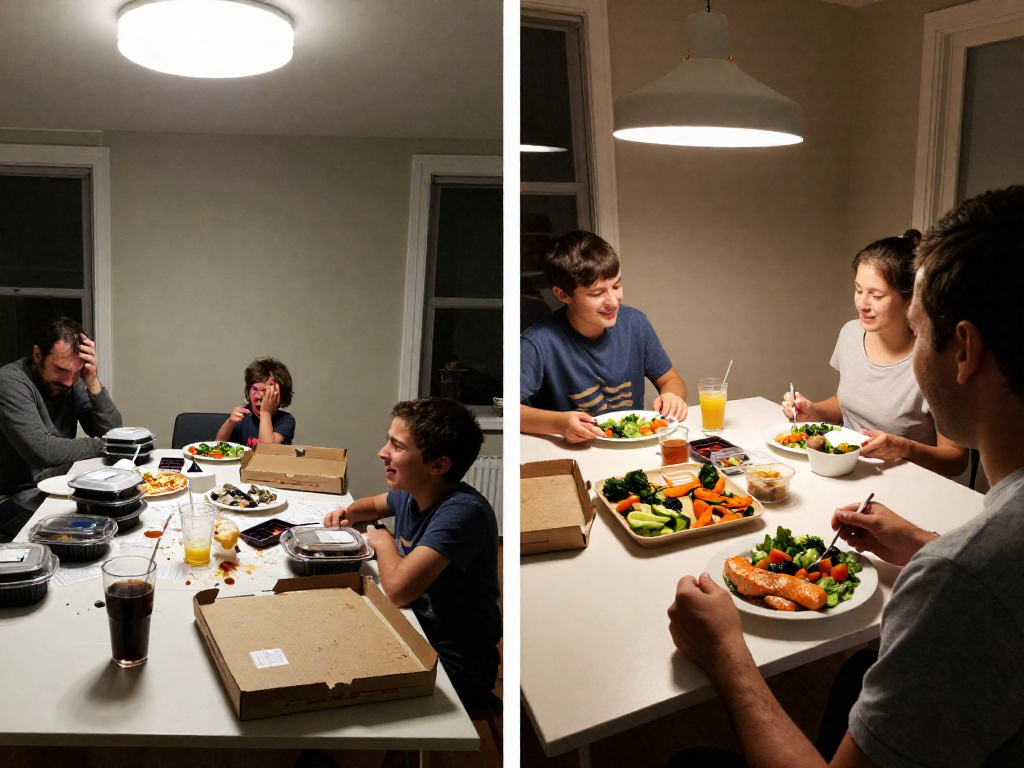
The real answer isn't about assigning rigid nights to each method—it's about recognizing that full-meal batch cooking often steals more time than it gives back. The impulse to spend a whole Sunday filling the freezer with complete dishes feels productive, but when you tally the hidden hours, that marathon session rarely holds up.
A classic batch-cooking push consumes an entire day: shopping, prepping, cooking, portioning, and cleaning. Even if the stove is off by late afternoon, the mental load lingers. Then the weeknights roll around. You still need to thaw, reheat, and—crucially—make fresh sides, a salad, or that missing sauce. Each meal demands its own set of pans and plates, so the dishwasher runs just as often. The supposed efficiency collapses under the weight of these nightly micro-tasks. What looked like a win on Sunday becomes a wash by Friday.
Component batching flips the script. Instead of assembling full meals, you prepare versatile building blocks: a pot of grains, a sheet pan of roasted vegetables, a simple protein, a batch of dressing. This front-loads only a few hours of active effort on the weekend, but those hours are lighter—less agonizing over recipes, fewer steps per component. On weeknights, you pull what you need and combine things in ten or fifteen minutes. A bowl with quinoa, chickpeas, roasted peppers, and lemon tahini comes together faster than reheating a frozen casserole, and it tastes brighter. Cleanup shrinks because you’re not generating a new set of saucepans every evening.
The nonobvious point is that batch cooking isn't universally more efficient. It trades one kind of work for another, and the trade often leaves you with less flexibility and more overall kitchen time. When you component-batch, you gain back the hours lost to reheating and side-dish prep, and you reclaim mental bandwidth—no more staring into the fridge wondering how to defrost a solid block of soup before 6 p.m.
So skip the Sunday all-day cook-a-thon. A lighter, smarter batch session that produces mix-and-match elements will genuinely save you several hours a week and keep dinner from feeling like a leftover rerun. The smartest system isn't the one that fills the freezer; it's the one that leaves you with more time to actually sit down and eat.
The Busy Family’s Weekly Blueprint: Which Nights Are Batch Nights?
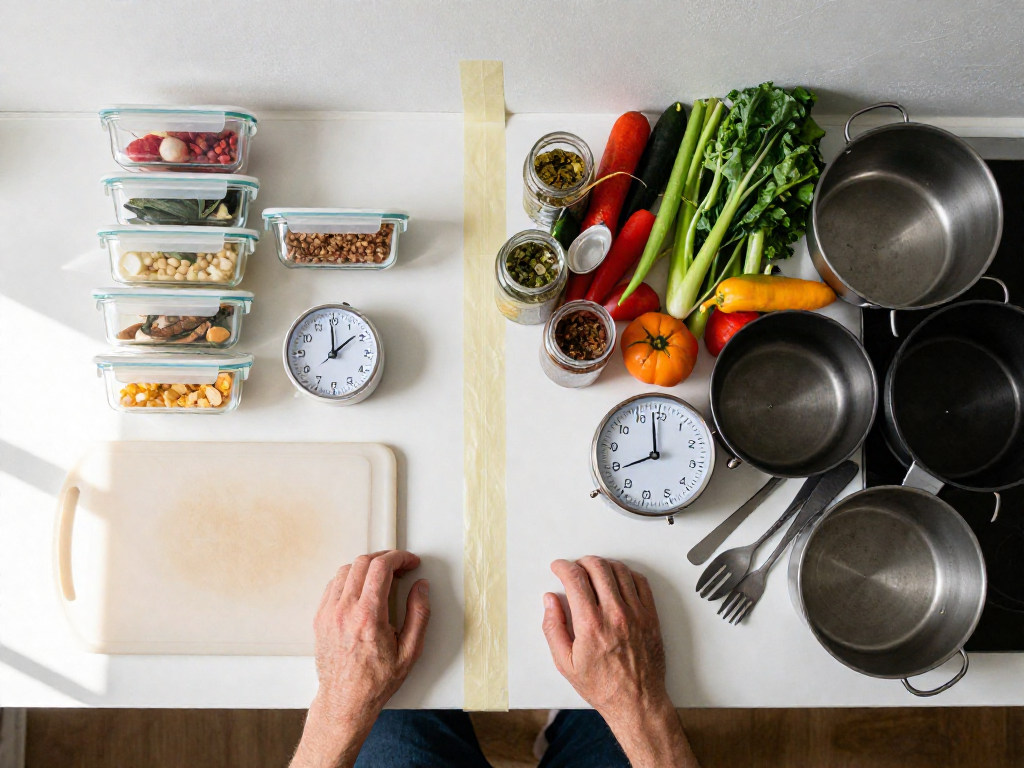
The week isn’t flat—your energy, schedule, and tolerance for mess follow a distinct rhythm. Match your meal strategy to that rhythm, and you stop debating “what’s for dinner” every night.
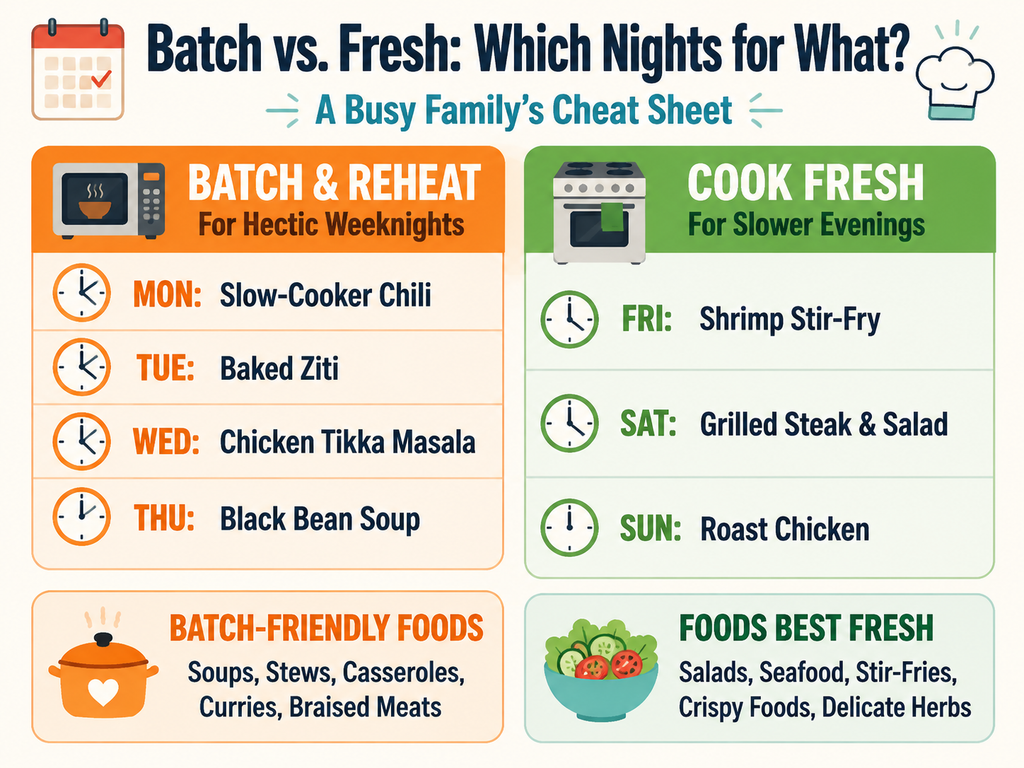
Monday through Wednesday are pure survival. Everyone’s re-entering work and school, extracurriculars stack up, and decision fatigue peaks before breakfast. These are your batch nights. Pull a container of chili, a tray of baked ziti, or a slow-cooker curry straight from freezer to microwave or oven. No thought, no fresh prep—just reheating while you unpack backpacks and sign permission slips. When the first half of the week runs on autopilot, you reserve brain space for what actually needs you.
Thursday is the bridge: you’ve made it past the midweek hump, but you’re not yet in weekend mode. This is when a 15-minute fresh meal shines, built from components you prepped earlier. Think pre-washed greens topped with sliced chicken from Tuesday’s batch session, a fast stir-fry using pre-chopped vegetables, or eggs scrambled with leftover roasted veggies. The cooking feels immediate and satisfying, but the legwork was finished days ago. It’s the dinner equivalent of a clean desk before Friday.
Friday is the release valve. Cook something genuinely fun—homemade pizza with a crust you started Friday morning, tacos with all the toppings, or a new recipe you’ve been eyeing—or order takeout guilt-free. The point is to signal that the rigid week is over. If you do cook, make it loud and participatory: blare music, let kids build their own plates, use the fancy hot sauce. This isn’t a nutrition strategy; it’s a morale strategy.
Saturday earns the slowest, most mindful cooking of the week. With no homework pressure and a lazy morning behind you, turn a fresh meal into a family activity. Hand-roll pasta, assemble a composed salad with grilled protein, or bake bread together. The process is the point—knife skills for kids, conversation without screens, the smell of garlic in a relaxed house. These meals rebuild the joy in cooking that Monday’s microwave laser beams can dull.
Sunday is the pragmatic reset. Pull every leftover from the fridge and lay out a buffet: no cooking, just rehearing and arranging. Or lean into breakfast-for-dinner—pancakes, scrambled eggs, fruit—as a low-effort crowd-pleaser that clears the fridge before the next batch session. The goal is to empty containers, not create new ones.
This blueprint works because it pre-decides the decision. You never stand in front of an open pantry wondering what you have energy for; the template knows. Batch nights protect your bandwidth when it’s scarcest. Fresh nights are placed strategically where they’ll actually happen and feel good, not aspirational. And the mix keeps food boredom at bay without demanding nightly creativity. Stick to the rhythm, and the “what’s for dinner” question answers itself.
The Fresh-Cook Shortcut: Batch Your Fresh Components, Not Just Meals
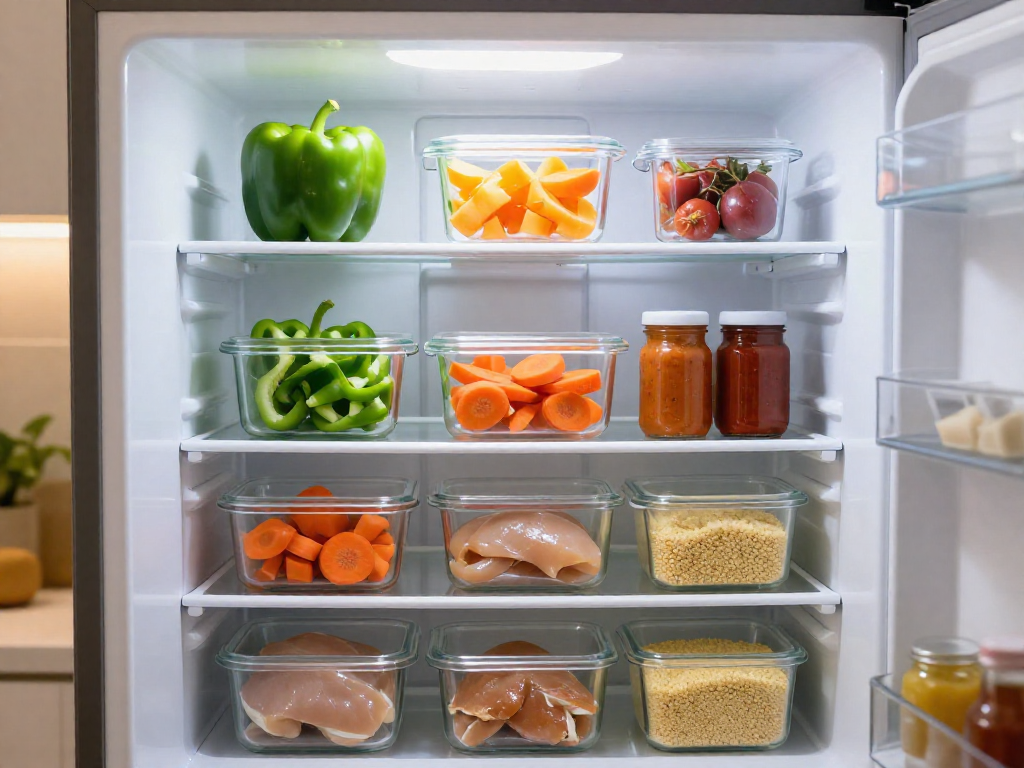
The real magic of fresh cooking on busy weeknights isn't starting from scratch—it's having the building blocks ready and waiting. By batching individual components instead of whole casseroles, you can pull together a just-cooked stir-fry, pasta, or grain bowl in the time it takes to reheat a frozen meal. The trick is treating your fridge and freezer like a pantry of fresh, pre-prepped ingredients.
Choose one protein for the week—grilled chicken thighs, seared flank steak, or taco-spiced ground meat—and cook a big batch on Sunday. Let it cool completely, then portion into meal-size zip-top bags and freeze flat. Flat-freezing stacks neatly and thaws in minutes under cool water. Next, tackle vegetables: trim and slice bell peppers, snap green beans, or shred cabbage while you're already cleaning your knife and board. Store them in airtight containers with a damp paper towel to stay crisp all week. Grains are just as easy: cook a big pot of farro, quinoa, or brown rice, then cool and refrigerate. A batch of vinaigrette or a coconut-milk-based sauce in a squeeze bottle means instant flavor without pulling out a blender each night.
The assembly is where this system shines. On a fresh-cook night, grab a thawed protein bag, a container of prepped veggies, and a grain from the fridge. Heat your skillet, toss everything together with that sauce, and dinner hits the table in about 15 minutes. Pasta night follows the same rhythm: boil noodles while you sauté the ready-to-go veggies, then stir in your protein and a pulled-from-the-fridge pesto or marinara. The only thing you're cooking in the moment is the pasta itself—and that's barely attentive work.
To make this a weekly template, build your prep list around your family's favorite flavors. A sample list might look like: cook and shred two rotisserie chickens; slice three bell peppers and a red onion; make a batch of cilantro-lime vinaigrette; cook one cup of dry quinoa; and flash-freeze one pound of seasoned ground turkey. That stash creates tacos, grain bowls with chicken, or a quick stir-fry with ground turkey and peppers any night of the week. The goal isn't variety from scratch—it's a handful of flexible pieces that let you cook fast, eat fresh, and never dread the dinner scramble.
The “Always Batch / Never Batch” Cheat Sheet
Cooking for the freezer isn’t the same as cooking for tonight. Some dishes deepen in flavor and hold their texture beautifully; others turn into soggy, gluey regret. The difference comes down to water content and structure. If a food turns to mush when it defrosts, it doesn’t belong in your batch rotation.
Always batch: soups, stews, curries, chilis, and braises (think pulled pork or pot roast). Casseroles, meatballs in sauce, and marinated proteins also freeze like champs. These dishes often taste even better after a rest, because the flavors meld. Portion them flat in freezer bags so they reheat fast.
Never batch: anything that depends on crispness or emulsion. Fried foods lose their crunch; salads wilt and weep. Creamy pasta dishes break down into a gummy, separated mess when thawed — the sauce can’t hold together. Seafood gets rubbery or mushy, and fresh herbs turn black and slimy. Just don’t.
The smart middle ground: for “never batch” meals, batch the components instead. Brown a big batch of ground beef for tacos, cook a pot of rice, or wash and chop salad greens on Sunday. On the night you want a fresh stir-fry or grain bowl, you’re mostly assembling. This preserves the texture and speed you need without sacrificing quality. One of the most common mistakes new batch cooks make is freezing a full tray of creamy chicken Alfredo, only to end up with a watery, curdled puddle. Skip that heartbreak — keep the cooked pasta and sauce separate, and finish with cream fresh when you reheat.
The Half-Batch Week: When Life Gets in the Way
Some weeks, a proper Sunday prep session simply isn't happening. The half-batch week is your low-effort pivot, so you don't abandon the hybrid system altogether. Instead of a full six-hour cookathon, you knock out just two or three anchor items — a protein, a grain, and a sauce — in under an hour. That might be a sheet pan of roasted chicken thighs, a pot of brown rice, and a quick blender chimichurri. With those in the fridge, you've already assembled the skeleton of multiple meals.
Next, turn to your freezer. Pull out a couple of pre-prepped components from a more productive week — maybe frozen meatballs, a bag of cooked black beans, or a quart of marinara. These are your same-week shortcuts, already cooked and waiting. Because you planned for chaos, you have a stash that buys you three weeknights without cooking from scratch.
When even that feels like too much, lean into pantry speed-dials. Canned chickpeas, frozen peas, tortillas, and a jar of salsa can round out almost any protein. Here's a sample half-batch menu: Monday, toss leftover roast chicken into a quick chili with canned tomatoes and beans; Tuesday, wrap shredded chicken with slaw and chipotle mayo for wraps; Wednesday, use the chimichurri rice and whatever's left for a grain bowl. You're not meal-prepping perfection — you're just keeping the wheels on.
Your Week at a Glance: A Real-Life Example
Here’s how a real week shakes out: Monday is the easiest—pull a container of batch-cooked beef stew from the fridge, warm it up, serve with crusty bread. Tuesday’s tacos come together in minutes because the spiced ground beef and chopped toppings were prepped over the weekend. Wednesday’s freezer-to-oven chicken parmesan casserole requires zero thought; toss it in and let the oven do the work. By Thursday, a 15-minute stir-fry is possible because you marinated the beef strips and chopped the veggies during your weekend batch session. Friday’s DIY pizza night leans on pre-made dough balls (grabbed from the freezer) and a toppings bar you can set out in minutes. Saturday’s grilled salmon with a fresh salad feels effortless: the greens were washed and bagged, and the salmon just needs a quick sear. Sunday wraps it up with a leftovers buffet—no cooking, just reheating, or maybe breakfast-for-dinner if morale is low. This rhythm keeps the kitchen moving forward without trapping you in it all day.
See also
- The Ultimate Batch Cooking Checklist for Beginners
- 15-Minute Fresh Dinner Recipes for Busy Weeknights
- How to Prep a Week of Meals in 3 Hours
- Freezer-Friendly Meal Prep Recipes
Related articles
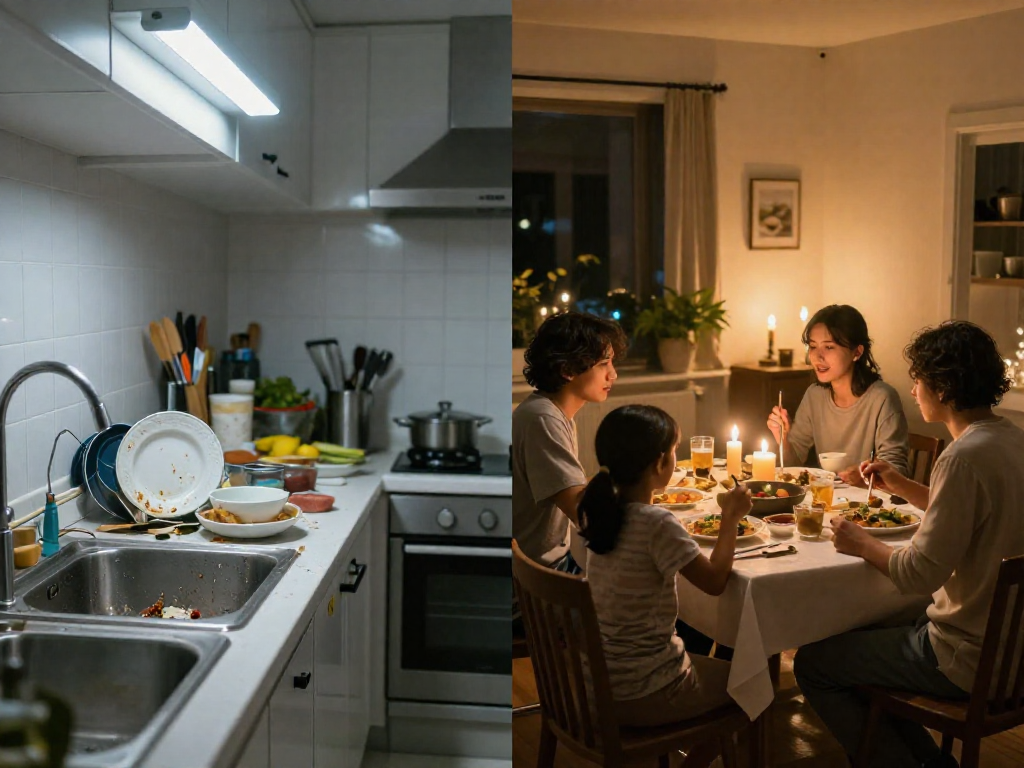
From Chaos to Calm: How Meal Prep Transformed Our Evenings
Discover the emotional and practical impact of consistent meal prep on family life—less stress, more connection, and calm evenings.
Jul 31, 2026 · 5 min read
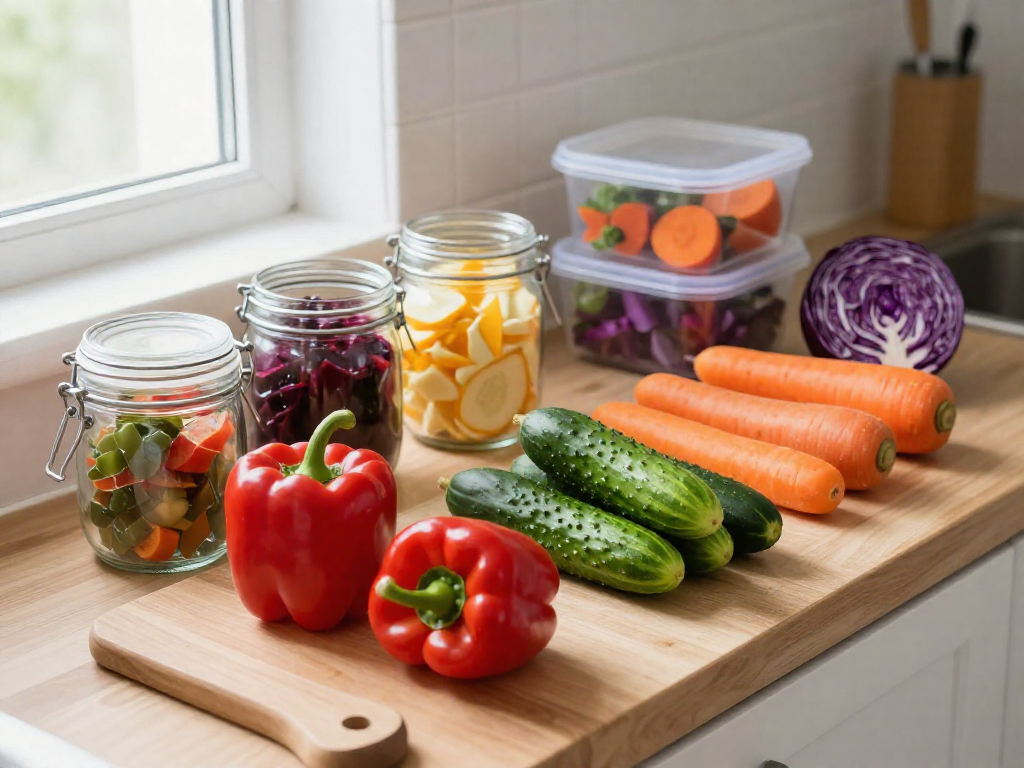
The No-Cook Weekend: How to Prep Without Turning on the Oven
How can I meal prep in summer or without heating up the kitchen?
Jul 31, 2026 · 7 min read
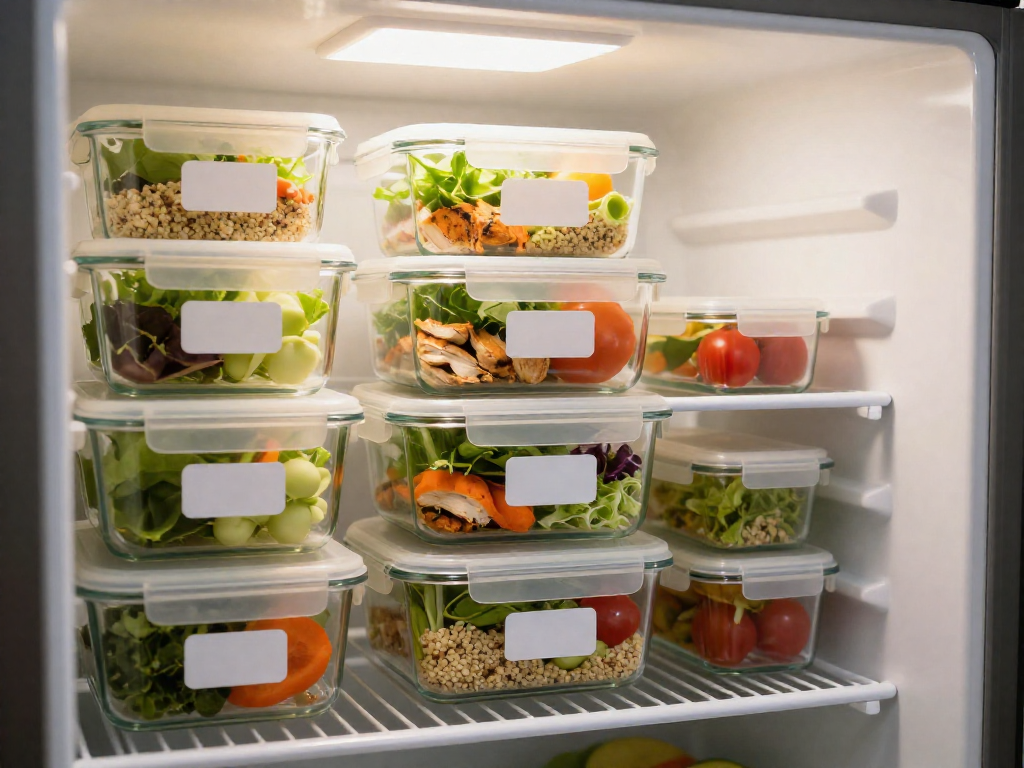
Meal Prep Containers: A Complete Guide for Dual-Income Families
What are the best containers for family meal prep, considering portions, storage, and reheating?
Jul 31, 2026 · 8 min read