From Chaos to Calm: How Meal Prep Transformed Our Evenings
What is the emotional and practical impact of consistent meal prep on family life?
On this page
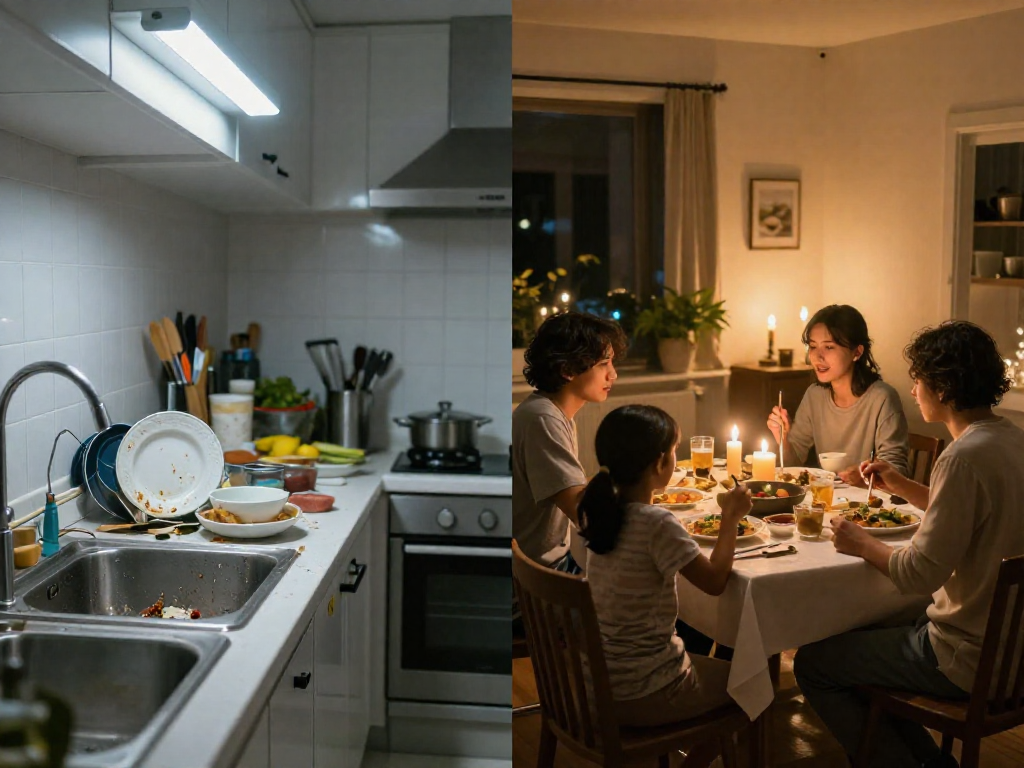
The Evening Meltdown: Life Before Meal Prep

Consistent meal prep does more than get supper on the table—it defuses the daily 5-to-7 p.m. meltdown, the scramble that drains patience and steals the relaxed connection time families need. Before we built a system, that window was a minefield.
You’d walk in already spent, tagged immediately by “What’s for dinner?” and the sinking knowledge that the answer was anyone’s guess. Someone would open a half-empty fridge and stare: a lone carrot, a block of cheddar, maybe cold rice. That quiet scrounging is where tempers fray—kids melt down from hunger, adults snap over nothing, and the evening pinwheels into screen-time bargaining just to buy ten minutes of quiet.
The real weight is invisible: the mental load of deciding yet again what to cook with zero bandwidth left. Answering that question for the three-hundredth time in a year hollows out the energy that could go toward actual conversations, homework help, or simply breathing. Getting that daily decision off your plate changes everything.
The 'Aha' Moment: It Was Never Just About the Food
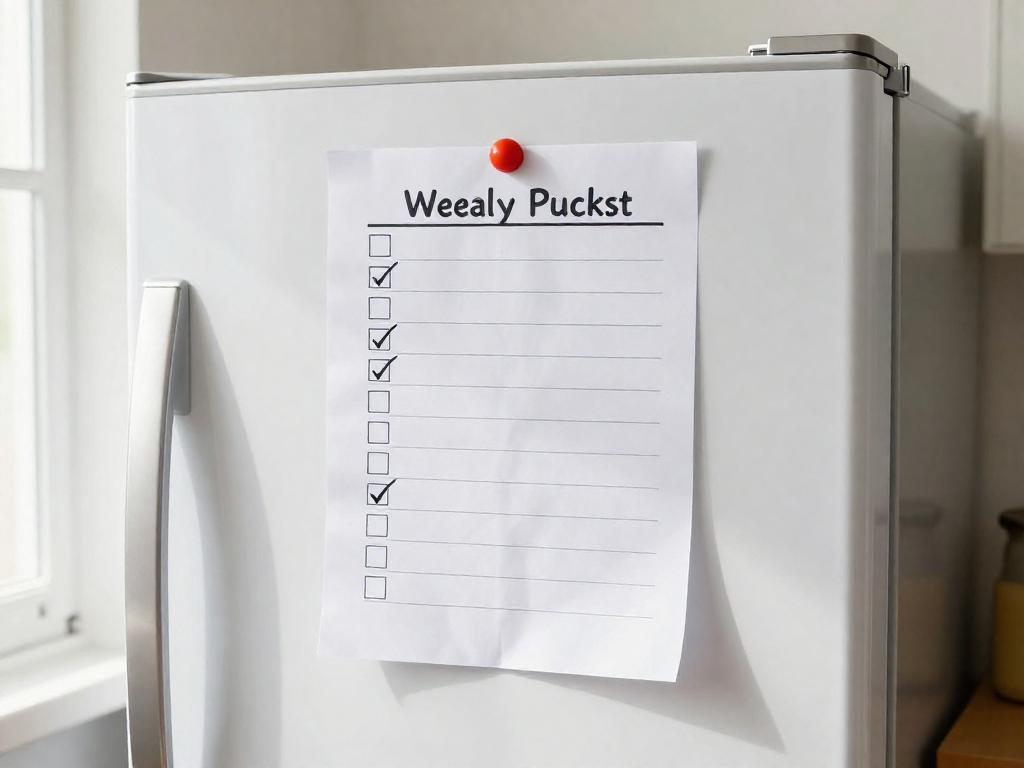
It took a few weeks to notice what had actually changed. The fridge was full of labeled containers, sure — but the real shift was the silence where the daily dinner panic used to live. That evening scramble had never really been about cooking skill; it was about running out of mental bandwidth by 5:30 PM and facing yet another high-stakes, low-reward decision. Meal prep didn't make us better cooks. It made us less exhausted before we even picked up a spatula.
The simplest example was the Sunday afternoon ritual itself. Before prep became a fixture, every weekday followed the same draining script: stare into the fridge, negotiate with a tired partner via text, calculate whether we had 20 minutes or 45, then mentally audit who would melt down if dinner was pasta again. That's five separate decision spirals a week, each one peeling away patience we didn't have to spare. A two-hour Sunday session — chopping, batch-cooking proteins, portioning grains — collapsed those five spirals into one contained, almost soothing block of work. Wednesday night no longer required a committee meeting in our heads.
Research on decision fatigue tells us what any parent feels in their bones: every choice you make throughout a day draws from a finite reservoir of self-control and clarity. Deplete it on trivial things, and there's less left for listening to a kid's rambling story about recess or staying calm when the milk spills. Meal prep carves out a huge chunk of that trivial load. When dinner is already a known — Tuesday's lentil taco filling is just waiting to be reheated — you don't have to spend cognitive coins on it. You walk into the kitchen already knowing what happens next, which is a kind of luxury that ripples into the entire evening. That freed-up energy isn't abstract; it's the difference between a flat 'go set the table' and an actual conversation while you stir.
Why Our First Attempts Failed (and What to Fix)

The biggest mistake? Believing we had to cook everything at once. We’d block off an entire Sunday, line up 21 containers, and aim for a week’s worth of meals in a single exhausting marathon. By 3 p.m., the kitchen was a disaster, tempers were short, and half the food ended up bland because we couldn’t give any dish proper attention. That all-or-nothing approach burns out even the most determined cook.
We also tried to force a rigid system that ignored how our evenings actually flow. Pre-assigning every meal to a specific day felt efficient on paper, but the first time someone worked late or a kid refused the planned dish, the whole structure crumbled. Flexibility matters more than a perfect spreadsheet.
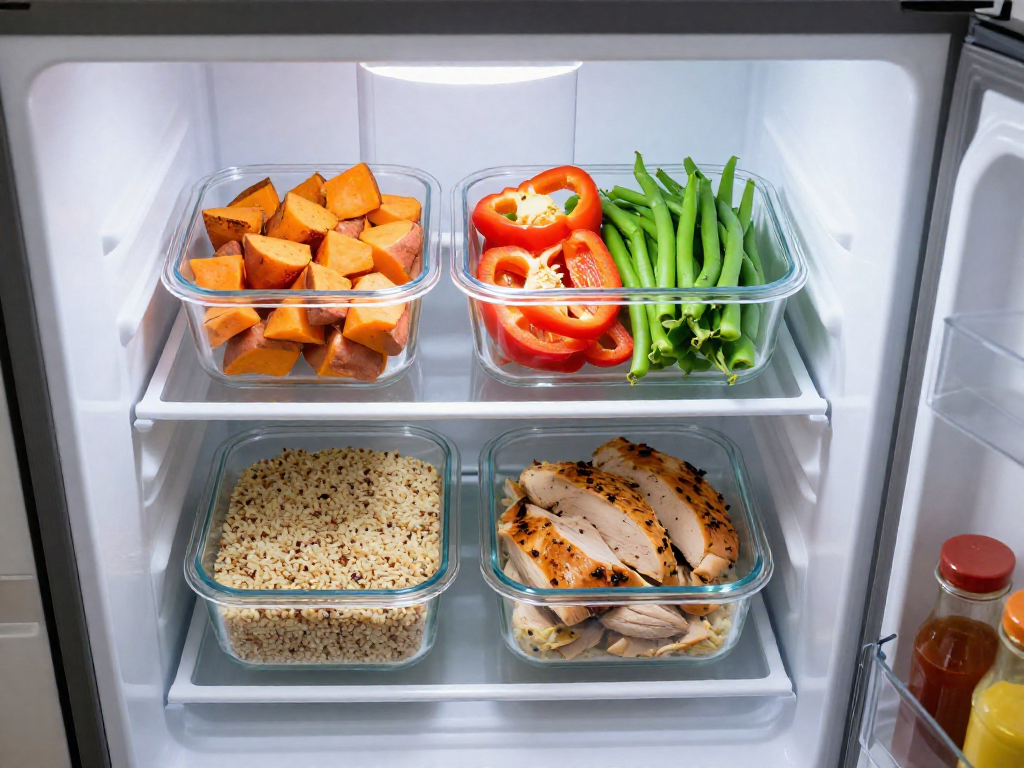
The fix that finally stuck: start with just two or three core components, not a full menu. We’d make a big batch of something versatile—grilled chicken, roasted vegetables, a sturdy grain—and let those become the building blocks for quick assembly later. That shift from Instagram-worthy spread to simple, repeatable relief was the moment meal prep stopped being a chore and started being the calm we actually craved.
3 Ways Meal Prep Changed Our Evenings That Had Zero to Do with Dinner
When dinner stops being a frantic daily project, the whole evening unlocks. The hour that used to be lost to chopping and panicking over missing ingredients suddenly opens up. Here’s what rushed in to fill that space once meal prep took the kitchen panic off our plates.
First, the witching hour vanished. That 5-to-6 p.m. stretch when kids melt down and parents snap? With dinner already handled, it became reconnection hour. No one was shooing kids out of the kitchen — instead, we were on the floor building block towers or debriefing about school before we sat down.
Second, the household mood shifted from reactive to predictable. Kids thrive on routine, and knowing dinner was covered removed the 5 p.m. parental stress spike. When we weren’t scrambling, we stopped barking commands. Everyone exhaled.
Finally, mornings got simpler. Packing lunches transformed from a 10-minute scavenger hunt into a grab-and-go operation: pull tomorrow’s containers from the fridge, done. That tiny win set a calmer tone for the whole day, and it all traced back to the hour we invested on Sunday.
The Simple Routine That Now Anchors Our Week
Sunday afternoons, we block a single power hour. Everyone pitches in—even the youngest can wash vegetables or tear lettuce. The workhorse is batch protein: a sheet pan of roasted chicken thighs, a pound of seasoned ground beef, a pot of beans. That, plus a grain and washed greens, means weeknight dinners come together in about ten minutes.
A handful of theme nights slash decision fatigue. Taco Tuesday, pasta night, sheet-pan Thursday. Nobody asks “what’s for dinner?”—the frame does the thinking. You plug in the prepped components and move on.
But the real glue is a ten-minute Sunday-evening huddle. We scan the family calendar for conferences, late meetings, or soccer practice and tweak the lineup. Busy week? That’s when frozen meatballs and a pot of rice save us. The check-in keeps the system flexible, not rigid, so a chaotic Thursday doesn’t derail the whole plan.
The Surprising Bonus: How Meal Prep Helped Our Marriage
That daily standoff—"What do you want? I cooked last night"—simply vanished. Sunday meal prep became a shared team ritual, not a chore we resented. We’d chop and pack together, then later, after the kids were down, we’d actually have energy left for a glass of wine and a real conversation. Less friction, more us.
The Calm We Always Wanted
It isn’t about flawless menus—it’s about the quiet that settles in where the 5 p.m. panic used to be. Try just one prep session this week and see what shifts.
See also
- /batch-cooking-for-beginners
- /weekly-chore-systems
- /evening-routine-templates
- /family-meal-planning-101
Related articles
The No-Cook Weekend: How to Prep Without Turning on the Oven
How can I meal prep in summer or without heating up the kitchen?
Jul 31, 2026 · 7 min read
Meal Prep Containers: A Complete Guide for Dual-Income Families
What are the best containers for family meal prep, considering portions, storage, and reheating?
Jul 31, 2026 · 8 min read
The 10-Minute Weeknight Assembly: Using Prepped Components
How do I turn meal prepped components into quick dinners during the week?
Jul 31, 2026 · 3 min read