Meal Prep Containers: A Complete Guide for Dual-Income Families
What are the best containers for family meal prep, considering portions, storage, and reheating?
On this page
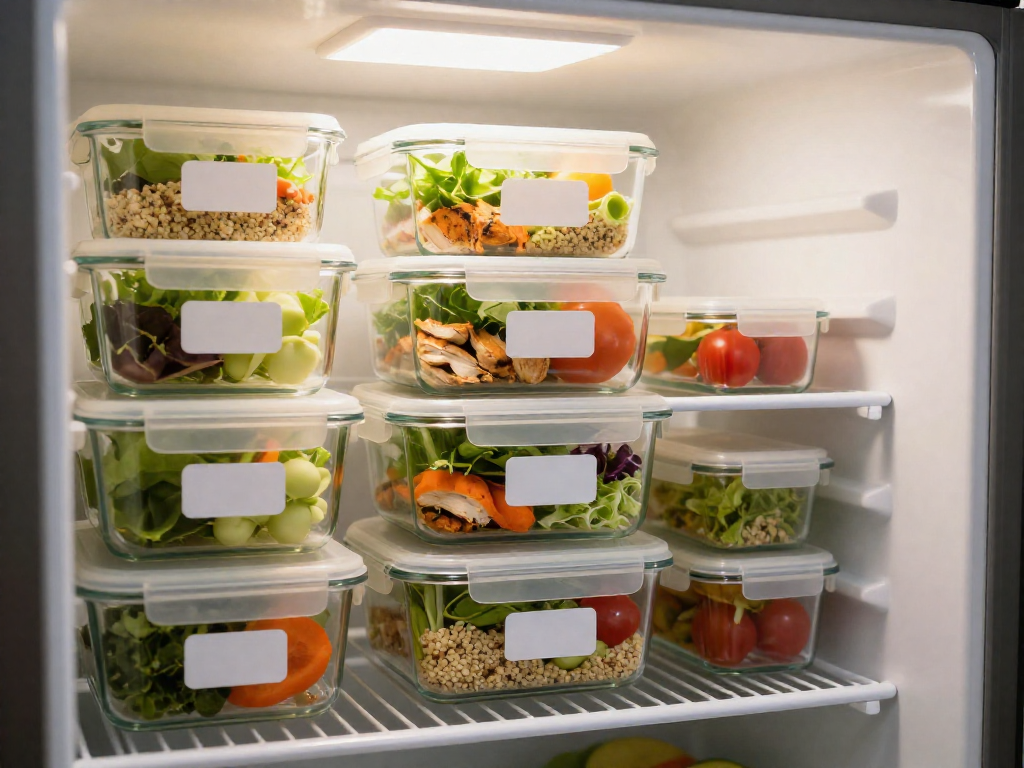
Hook the reader with the reality of the weeknight scramble for dual-income families and how the right meal prep containers can eliminate decision fatigue, reduce waste, and make healthy eating automatic.
Introduction
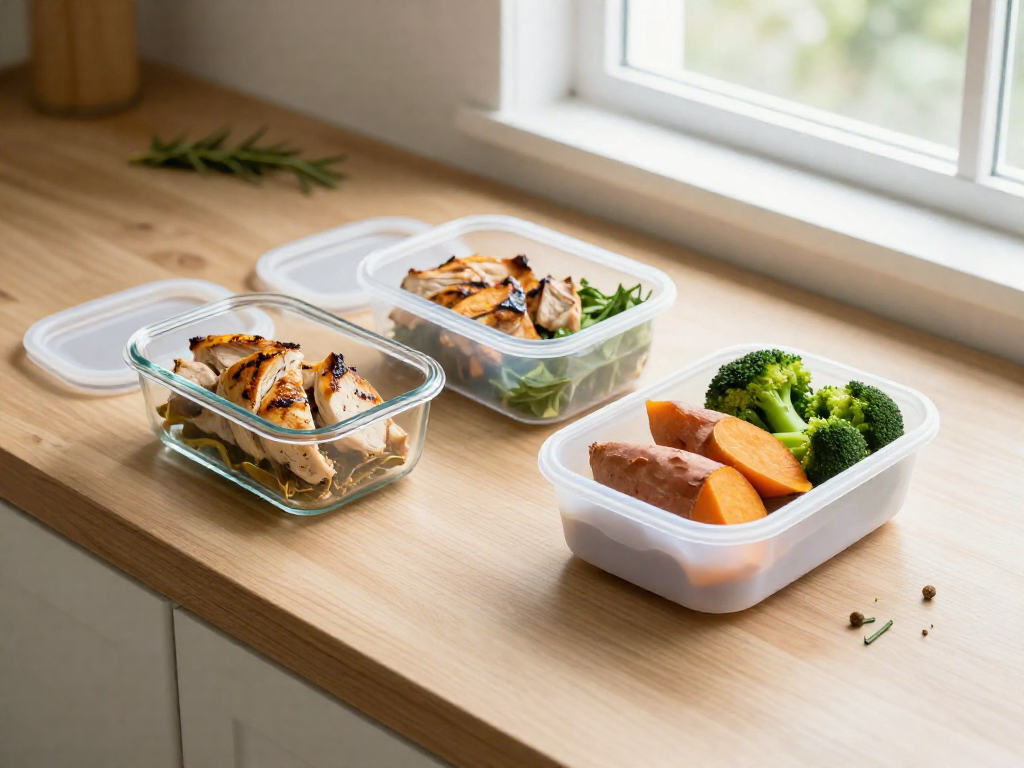
The best containers for family meal prep are the ones that disappear into your routine rather than demanding attention. They stack without wasted space, move from freezer to microwave or oven without warping, and stay sealed in a backpack. The wrong choice leaves you with a fridge full of mismatched lids, soupy leaks, and reheating disasters. This guide compares materials, shapes, safety, and cost to help you build a container wardrobe that keeps batch cooking on autopilot.
Material Smackdown: Glass, Plastic, or Silicone?
Pick one container material and build your whole system around it — and you'll regret it within a week. The real move for a dual-income household is a purposeful hybrid: glass handles the heavy lifting at home, while plastic and silicone cover portability and space-saving tricks. Here's the breakdown so you can curate your stash without wasting money on what won't survive your family's rhythm.
Glass is the workhorse for reheating and long-term storage. It's non-porous, so it won't absorb yesterday's curry or stain from tomato sauce, and it goes straight from freezer to microwave or oven (minus the lid). The USDA recommends glass precisely because it doesn't leach chemicals into hot, acidic foods the way some plastics can. Yes, it's heavier and breakable — so keep it out of the lunchbox rotation with little kids. But for batch-cooking big proteins, soups, or casseroles that get reheated in the same dish, glass is untouchable. It's also dishwasher-safe on any rack, and you'll never toss one because it warped.
Plastic wins on weight, price, and kid-friendliness. Look for BPA-free, microwave-safe labels, and stick with sturdy, stacking designs (think Rubbermaid Brilliance or similar). Plastic is ideal for portioned lunch components, snacks, and dressings that travel to school or work. It will stain with turmeric and absorb garlic aromas over time, and the lids can warp after enough high-heat dishwasher cycles. The trade-off: you'll replace plastic sets more frequently, but the upfront cost is low enough that many families don't mind.
Silicone and collapsible containers are the space-savers. Use them for dry snacks, cut veggies, or short-term fridge storage where you're tight on drawer space. They flatten down when empty, but they aren't all freezer-friendly (thin silicone can crackle at low temps) and they can hold smells from pungent foods. Reserve them for items without heavy oils or strong odors.
For a dual-income household, the winning combo is straightforward: glass for all meal-sized cooked components that get reheated at home; plastic for individual lunchbox portions and condiments; and a handful of collapsible silicone containers for space-constrained fridge days. Over two years, the per-use cost of glass often beats plastic, because a $4 glass container lasts indefinitely, while a $1 plastic one cracks or stains after a few dozen trips through the microwave. Skip the single-material mentality, and build a set that earns its keep at every stage of your prep-to-table pipeline.
Container Types That Match Your Meal Prep Style
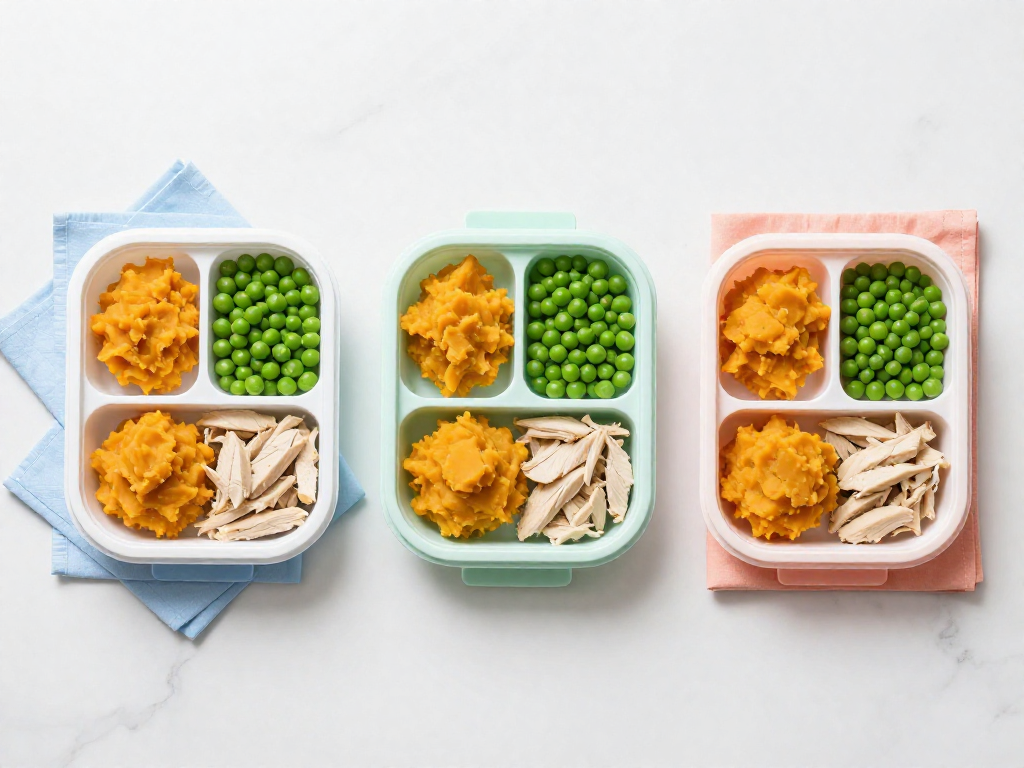
The shape of a container is just as crucial as what it’s made of, because it dictates how you’ll actually eat the food later. If your prep revolves around balanced, grab-and-lunchbox meals, compartment containers are the workhorse you need. They create a built-in structure: a main section for protein, another for a grain or starch, and a smaller slot that becomes the default home for vegetables. That visual cue pushes veggies from afterthought to inevitable, so you’re far more likely to eat them. For saucy meals that would otherwise mingle into a sad stew, look for containers with a tight-sealing divider—some even have a separate lid for the smallest compartment, which is genius for keeping crispy toppings dry until lunch.
When you’re batch-cooking soups, stews, or casseroles, a single-compartment container is your best friend. Go round for liquids: the curves make stirring and even reheating easier, and they pour cleanly. Rectangular single compartments are ideal for layered dishes like lasagna or baked ziti where you want to preserve the strata. For anything that should stay crisp—salads, grain bowls, noodle dishes—seek out containers with a dedicated sauce or dressing cup built right into the lid or nested inside. Nothing ruins a week of prep faster than soggy lettuce, and a tiny, leakproof pot of dressing avoids that entirely.
Freezer prep opens up another category: Souper Cubes or any 1-cup silicone tray system. You spoon in chili, broth, or even marinara, freeze solid, then pop the blocks into a zip bag. Suddenly you can pull out exactly one portion of stock or sauce without thawing a whole quart. The same logic applies to 1-cup glass or plastic containers—perfect for sides, snacks, or a half-portion when someone’s less hungry. The single biggest mistake is buying a matching set of identical containers. You’ll end up with either too much food in a too-big box or a cramped, messy fill. Stock a mix: 1-cup for hummus, fruit, or a dinner side; 2-cup for a standard adult lunch; and 4-cup for a hearty dinner entree or a shared portion. If your house runs on everyone grabbing their own lunch from the fridge, color-coded lids—one color per person—eliminate the morning scrum.
Stackability & Fridge Tetris: Maximize Your Space
The shape of your containers matters more in a packed family fridge than you might think. Rounded containers waste precious shelf real estate—those curved corners leave gaps you can't fill. Rectangular and square containers, on the other hand, sit flush against each other and the fridge walls, letting you cram more meals into the same space. It's the difference between a jigsaw puzzle that fits and one that fights you every time you open the door.
Stackability is equally critical, both in the fridge and in the cabinet. Choose sets that nest when empty—this saves cabinet space and prevents the dreaded lid avalanche. A uniform system where lids fit multiple sizes slashes clutter; you're not hunting for a matching top when you're packing lunches at 10 p.m. Mismatched containers with unique lids are the enemy of efficiency. Curate one or two brands that work together, and donate the oddballs.
Lid organization is the final piece. A dedicated bin or a simple lid rack mounted inside a cabinet door corrals them instantly. No more rummaging. When every container stacks neatly and every lid is at your fingertips, fridge tetris becomes effortless.
Lids That Don't Leak: The Unsung Hero
Lid failure is the fastest way to ruin a carefully prepped week. A container that doesn't seal means spilled soup in your work bag, dried-out chicken, or sauce that migrates across every compartment during the commute. If your lids don't actively keep liquids in, nothing else matters.
The feature you want is a silicone gasket—that built-in rubber ring around the lid's edge. It compresses when you snap the lid shut, forming a true waterproof seal. Don't trust the packaging; test it. Fill a container with water, click the lid on, hold it upside down over the sink, and give it a vigorous shake. Any droplets escaping? That set goes back. Glass containers nearly always come with this level of gasketed lid; budget plastic sets often skip it entirely, and those brittle snap-on tabs will warp within months.
For microwaving, always vent the lid or, better, pull it off and cover the container with a paper towel. Trapped steam can warp even a good plastic lid over time, while glass containers themselves never deform, so their lids last far longer than the throwaway tops on disposable-style plastic. Investing in a few glass pieces with high-integrity lids pays back with zero-leak lunches every time.
Safety Dance: Microwave, Freezer, and Dishwasher Do's and Don'ts
Start with plastic: only use containers explicitly labeled “microwave-safe.” That deli tub from last week’s takeout? It’s not built for heat and can warp or leach chemicals. Even a BPA-free label says nothing about microwave tolerance—check for the icon instead.
Glass wins on safety. Tempered soda-lime glass can go straight from freezer to microwave without trouble, but never move it from freezer to a preheated oven—the thermal shock can shatter it. In the dishwasher, keep glass containers and silicone seals on the top rack. Plastic lids belong there too; the lower rack’s heat warps them fast.
When freezing, always leave headspace. Liquids expand as they solidify, and a tightly packed container will crack or push the lid off. Finally, glass is chemically inert—no migration into your food—so it’s hands-down the best choice for reheating anything acidic or fatty.
The Money Question: Affordable Sets vs. Investment Pieces
Cheap plastic sets often warp, stain, or lose seals within a year, making their cost per use higher than it looks. Glass containers cost two to three times more upfront but easily last five years or more, evening out the investment. A smart strategy: start with a modest glass set in the sizes you actually use (8–12 pieces cover a family of four) and add a couple of kid-friendly plastic bentos for lunchboxes. Skip the giant 50-piece sets full of tiny containers you’ll never open.
Our Quick-Start Guide: Top Picks for Busy Families
Your best all-around bet is the Glasslock 18-piece set: tempered glass, leakproof lids, a smart spread of sizes for mains and sides. For lunches, Bentgo’s compartment containers win—lightweight, microwave-safe, and the dividers keep picky eaters happy. When freezing batch meals, Souper Cubes 1-cup silicone trays let you pop out perfect single-serve blocks that stack flat. If money’s tight, Amazon Basics glass containers deliver reliability without the price tag. A final sanity check: count how many meals-per-person you’ll prep each week and measure your fridge space. Overbuying containers you can’t store is a common pitfall.
See also
- 5 Batch Cooking Templates for Dual-Income Families
- How to Organize Your Fridge for Weeklong Meal Prep
- Lunch Packing Hacks for Kids (and Parents)
- Freezer Meal Prep 101: A Busy Person's Guide
- Weekly Meal Planning with a Digital Calendar
Related articles
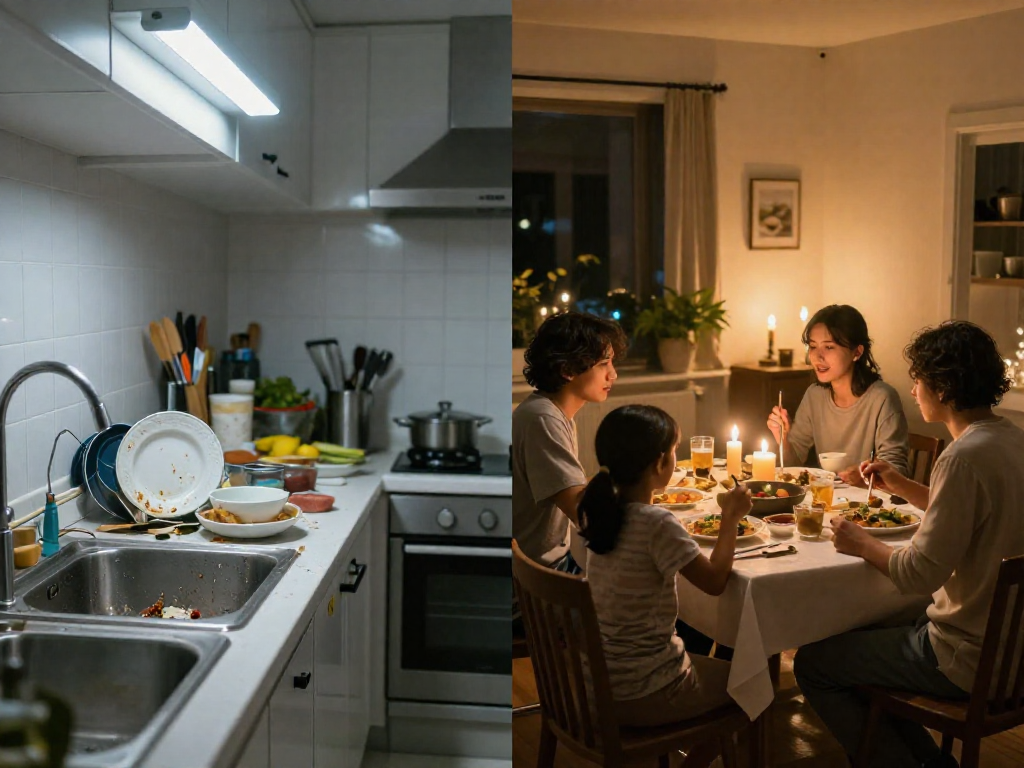
From Chaos to Calm: How Meal Prep Transformed Our Evenings
Discover the emotional and practical impact of consistent meal prep on family life—less stress, more connection, and calm evenings.
Jul 31, 2026 · 5 min read
The No-Cook Weekend: How to Prep Without Turning on the Oven
How can I meal prep in summer or without heating up the kitchen?
Jul 31, 2026 · 7 min read
The 10-Minute Weeknight Assembly: Using Prepped Components
How do I turn meal prepped components into quick dinners during the week?
Jul 31, 2026 · 3 min read