Kid-Errand Merge: Combining Playground Trips with Grocery Runs
How can I combine errands with kid-friendly activities?
On this page
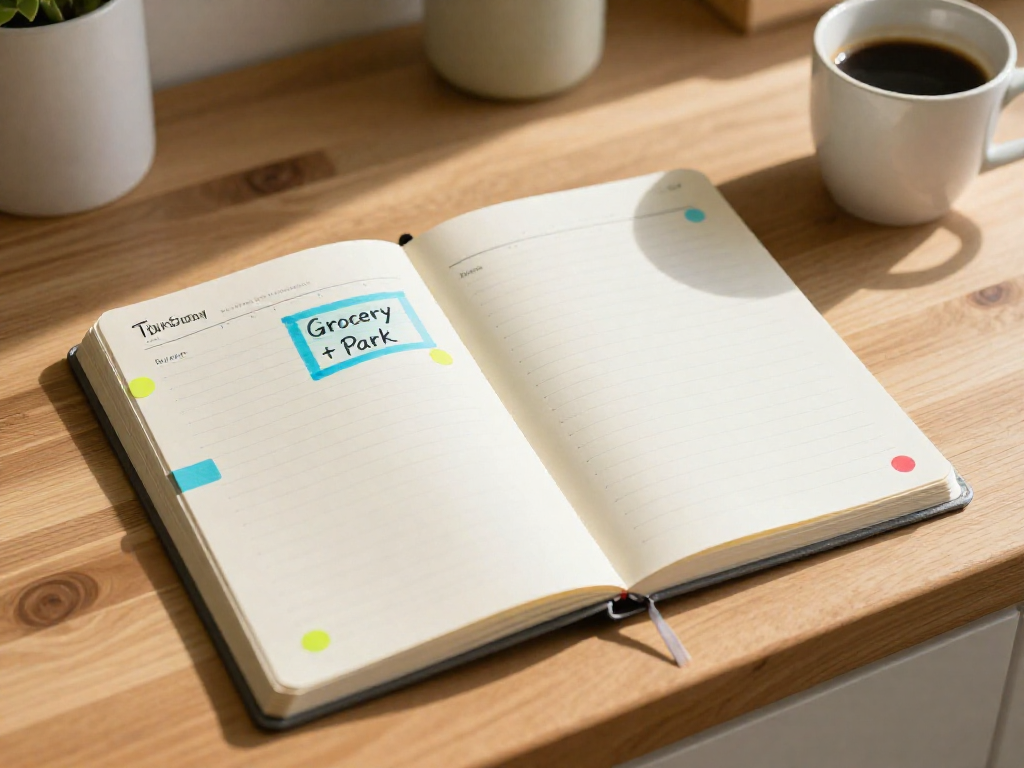
Ditch the guilt over dragging kids on errands — discover the weekly rhythm that turns grocery runs into an adventure they’ll beg for.
The Core Recipe: How to Structure a Kid-Errand Merge
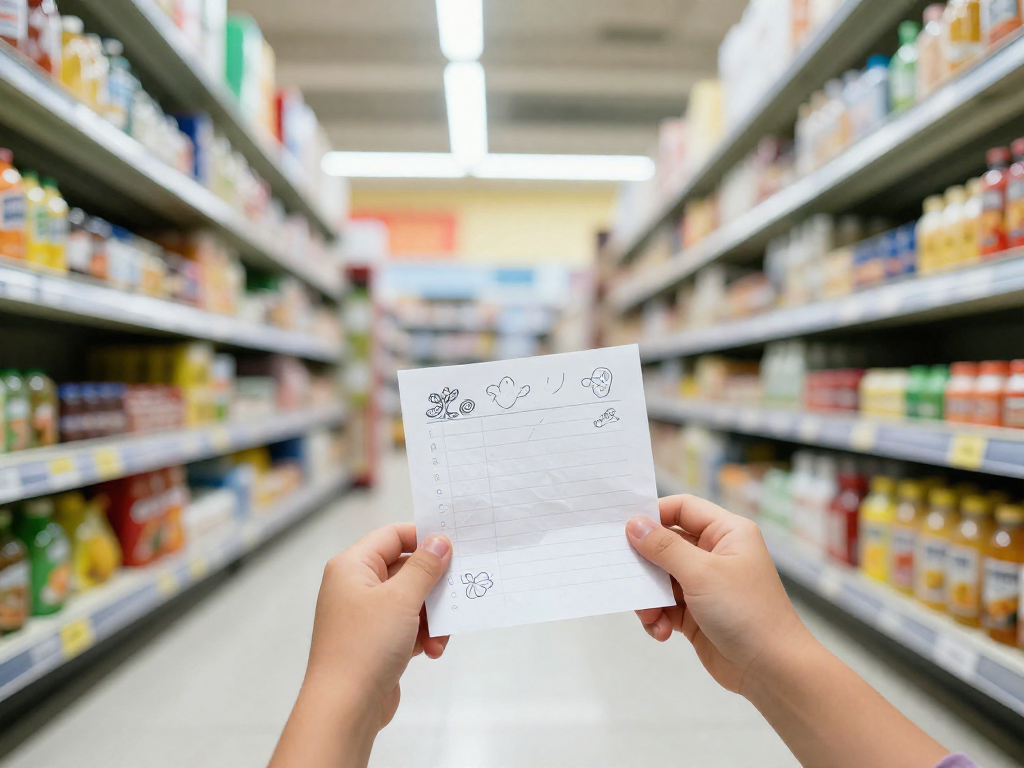
Pairing a grocery run with a playground trip turns an errand from a drag into a built-in adventure your kids will actually look forward to. The trick is a repeatable sequence that uses the playground as a natural reward. Here’s the core template our family and dozens of other busy parents swear by.
First, lock in a consistent day and time—say, Saturday mornings at 9 AM—so it becomes a fixture on the family calendar. Predictability reduces pushback because kids know what to expect. Next, follow a simple three-part cadence: a short warm-up, the errand, and the playground. The warm-up can be as quick as a five-minute dance party in the living room or a stop at the library to drop off books; it signals that fun is on the menu. Then, head to the store with a clear, time-boxed grocery list. Keep the trip focused and under 30 minutes when possible. You can say, “Once we finish shopping, we’ll head straight to the playground.” That turns the playground into a countdown anchor—kids can track progress by watching the cart fill up, and the promise of swings and slides heads off most whining.
The secret sauce is framing the playground not as an “if” but as a “when.” So, name the destination: “We’re going to the red playground with the twisty slide.” This gives them a concrete mental image to hang onto while you navigate the cereal aisle.
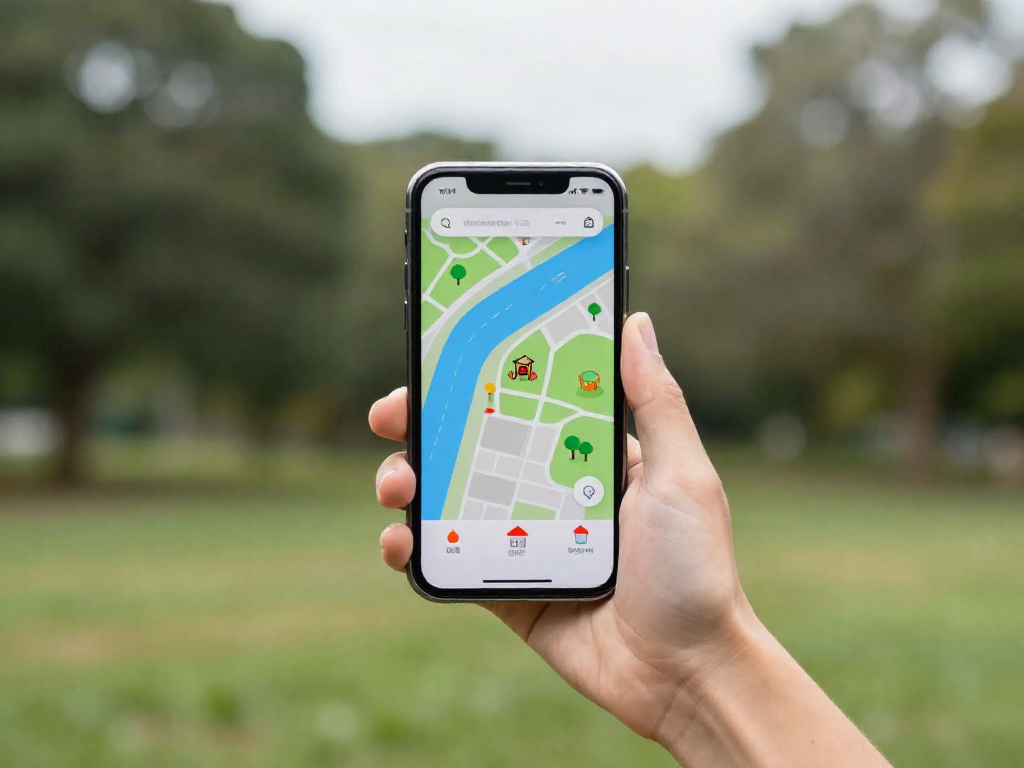
Night-before prep makes or breaks the merge. Pack a go-bag with water bottles, a spill-proof snack container, wipes, and a change of clothes. Stash it by the door. Write your grocery list in the order of the store layout, and if you can, add a photo of the playground to your phone to show as a visual reminder. When the morning rolls around, you’re not scrambling—just grab the bag and go.
The whole system works because it’s not a bribe; it’s a partnership. Your child gets a predictable rhythm, you get groceries done, and everyone ends the outing on a high note. Tweak the order to fit your family’s energy levels—some kids do better with the playground first, then a quick errand on the way home. Either way, the template holds: commit to a routine, front-load the promise, and prep like a pro.
Why This Works: The Behavioral Magic Behind Merged Outings
Kids are wired to thrive on predictable routines, even if they'd never admit it. When you consistently pair the grocery store with the playground—same sequence, same day of the week—you tap into what behavioral psychologists call a "habit loop." Your child starts to anticipate the pattern: first the cart, then the slides. That predictability melts resistance because the whole outing feels like a known script, not a surprise hijacking of their afternoon.
The playground also acts as a natural, non-bribey reward. Instead of negotiating with snacks or screen time, the promise of monkey bars is baked right into the plan. It reframes the errand from a chore to a stepping stone. You'll hear less "Can we go yet?" because your child knows exactly when the fun begins—and that it's coming soon, not at some vague future point.
Most importantly, this merge eliminates the most draining part of any errand with kids: the constant negotiation over when the playful part starts. When the sequence is locked in, your child's mind clicks into cooperation mode. They're not just tolerating the store; they're doing the thing before the playground, a small shift in framing that changes the whole outing's emotional weather. It's not magic—it's just good behavioral design.
Grocery Store Survival Tactics (When Little Helpers Tag Along)
Give your kid a clear job the moment you walk in — something concrete like “find the yellow bananas” or “grab two red peppers.” It transforms them from a tag-along into a team member, and you’ll be surprised how seriously they take it. For pre-readers, hand over a simple visual checklist: snap photos of your usual buys, print them as a grid, and let them check off items with a crayon. It’s a cheap, reusable prop that turns the aisle into a scavenger hunt. Stash a car emergency kit with a few shelf-stable snacks, a favorite book, and a fidget toy. That buffer buys you five quiet minutes when someone melts down between stops — no scrambling required.
When It Goes Wrong: Fixing Meltdowns and Missing Playgrounds
Even the best-laid merge plans can unravel. If rain washes out the playground, have a covered backup ready—an indoor play space, a library with a children's area, or a simple at-home reward like a special craft or movie. State it upfront: "We'll try again next time."
A full-blown tantrum mid-aisle? Abort the errand. Calmly leave the store, and make clear the playground is off-limits for that day. This isn't punishment; it's a natural consequence that keeps the promise real.
And if time gets away from you, set a phone timer before you go in. When it goes off, you head to checkout—whether the list is finished or not. The park stays a reward, not a consolation prize.
FAQ
What if I don't have a playground near my grocery store?
You can swap in any errand-friendly kid stop, like a library branch, a park with a walking path, or a school playground open after hours. Anchor the route so the fun stop and the store are in the same trip, and use the same place every week so it becomes a predictable part of the routine.
Can I do this with multiple kids of different ages?
Yes, by picking a location that offers options for different ages, such as a playground with separate toddler and big-kid zones, or by letting an older sibling supervise the younger one briefly while you shop. Bring a small activity or snack to bridge any waiting times for the child who finishes first.
How do I handle the transition from playground back to the car?
Build a consistent countdown-and-ritual sequence: give a five-minute warning, let each child choose one last activity, then use a lively 'marching song' or game to walk to the car. The key is repeating the same pattern every time so transitions become automatic, not a negotiation.
See also
- /errand-batching-templates
- /weekly-chore-chart-for-families
- /meal-prep-with-kids
Related articles
The Errand List Revolution: From Mental Load to Digital Automations
How can I move from a mental errand list to an automated system?
Jul 31, 2026 · 7 min read
Troubleshooting Your Errand Batching: When Life Throws You Off
When your carefully planned errand batch falls apart due to sick kids, traffic, or last-minute curveballs, here’s how to pivot, salvage your sanity, and build a more resilient system.
Jul 31, 2026 · 10 min read
Errand Batching for After-School Chaos: A Weekday Template
How do I fit errands into the after-school window without meltdowns?
Jul 31, 2026 · 4 min read